 Patrick
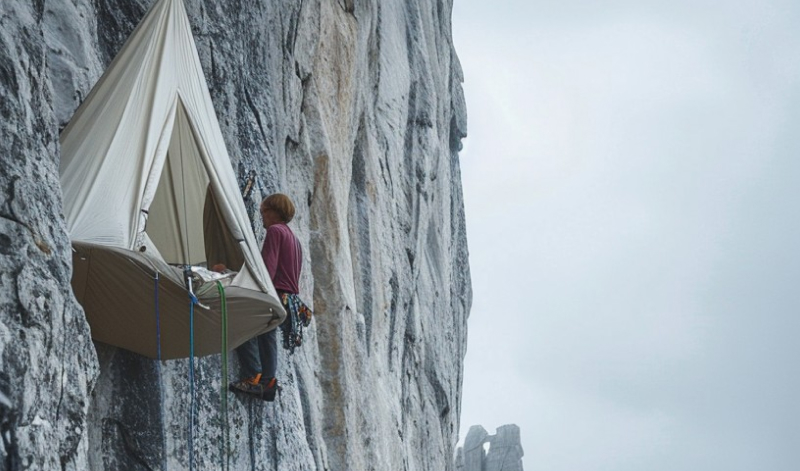
Rock climbers sometimes need to sleep midway through an ascent. In these cases, suspended sleeping kits are secured to the rock face using anchors and ropes.
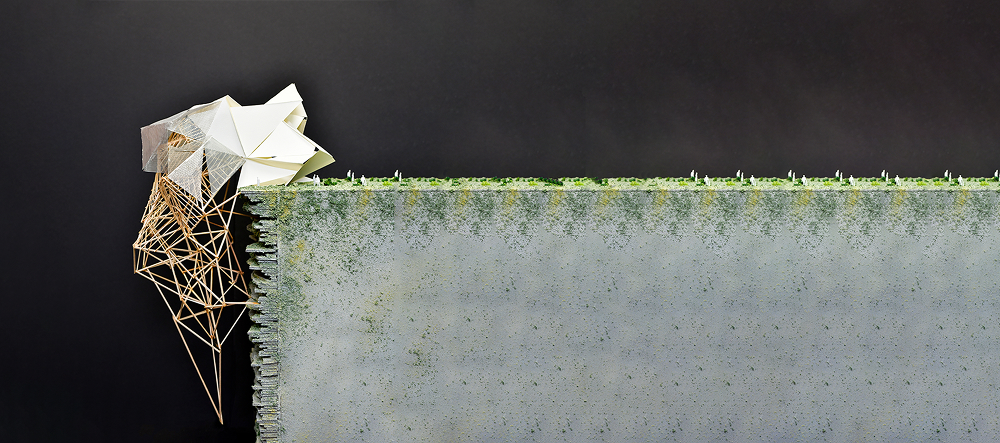
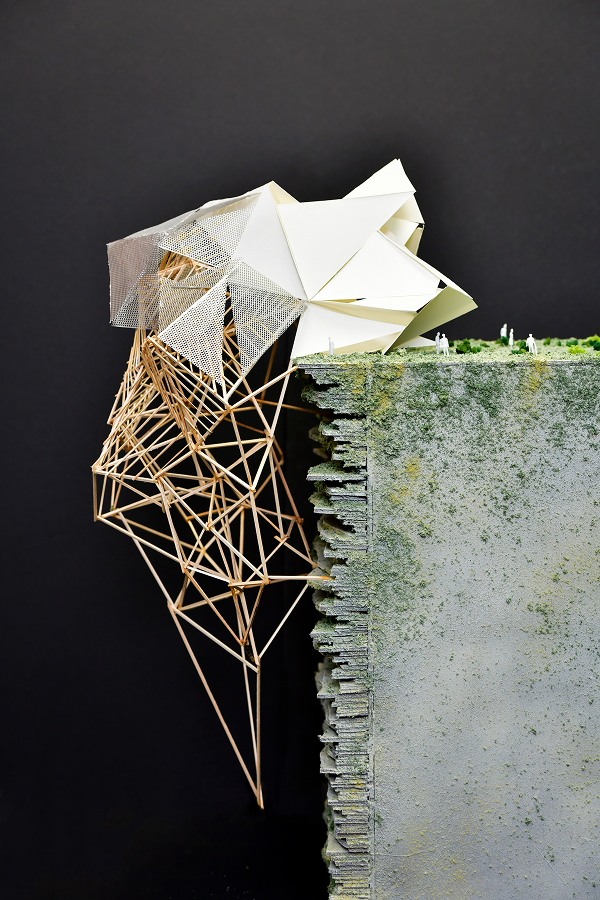
Ropes and harnesses reduce risk, yet failure remains possible, especially overnight. Checkpoint is a temporary shelter for climbers, providing stable platforms that protect them from mechanical failure and wind while they sleep. This dual function motivates the design of sleeping kits that are more secure, spacious, and better suited for storing climbers’ gear. The form study references cicada anatomy, dividing an organic mass to test shade, platform, and framework. The final form conveys the project’s spatial logic and installation.

Rock climbers sometimes need to sleep midway through an ascent. In these cases, suspended sleeping kits are secured to the rock face using anchors and ropes.
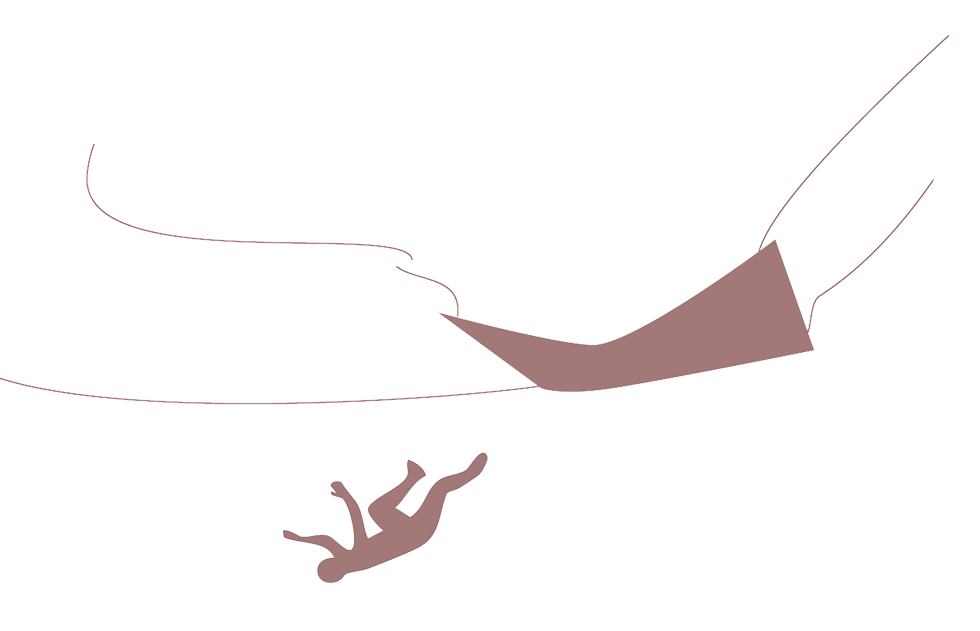
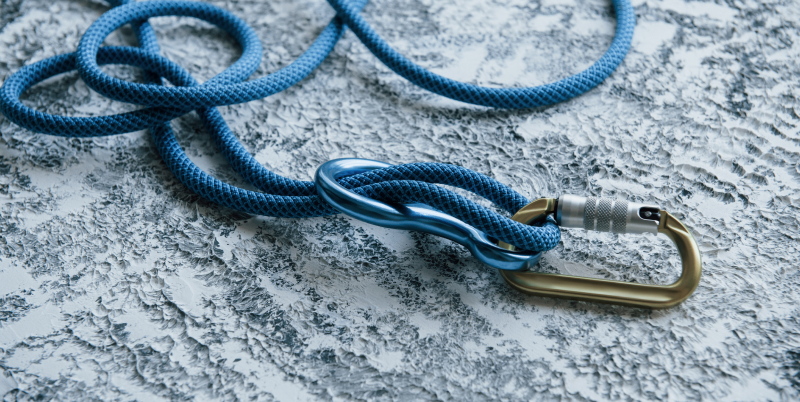
However, these systems remain inherently vulnerable to failure. Stress buildup, erosion, accidental disengagement, and unpredictable conditions can compromise their integrity, and in such exposed settings, even a minor mechanical lapse may trigger a catastrophic fall.
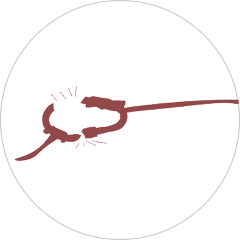
Carabiners are subjected to fail, resulting in a fatal unbalance in the stability of the structure.
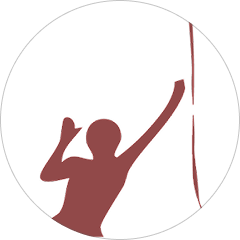
While mechanisms may be intact, an accidental misuage can result to catastrophic outcome.
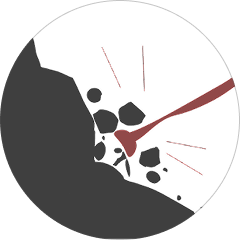
Sediment erosions may also undermine the entire system. Ground formations are susceptible to weather and season, hence it is often unpredictable as to the areas that are safe and not safe.

Penduline tits weave sealed, sack-like nests with narrow, concealed entrances. These structures often include decoy chambers that deceive predators and protect the eggs.
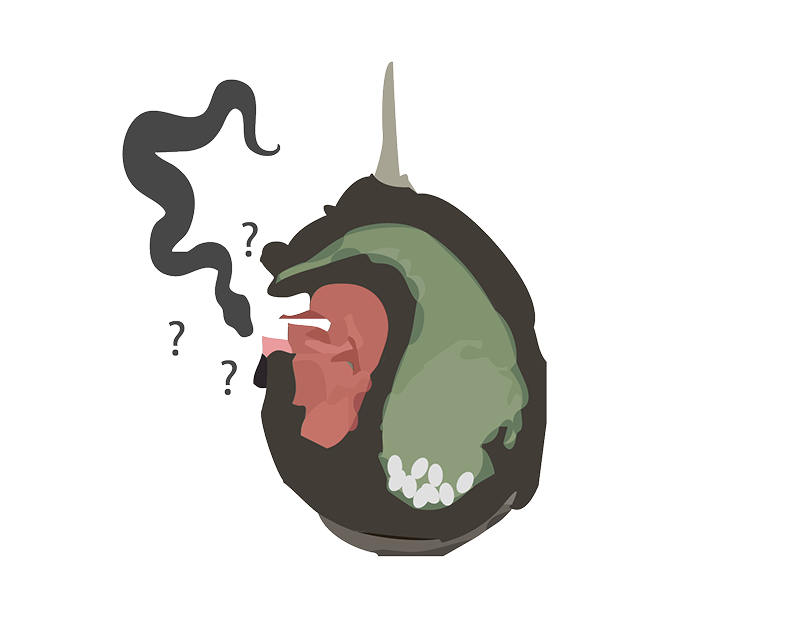
Decoy chambers work as a first line of defense against natural predators.
The narrow and ambiguous entry point further protects the eggs from anything that is after them.
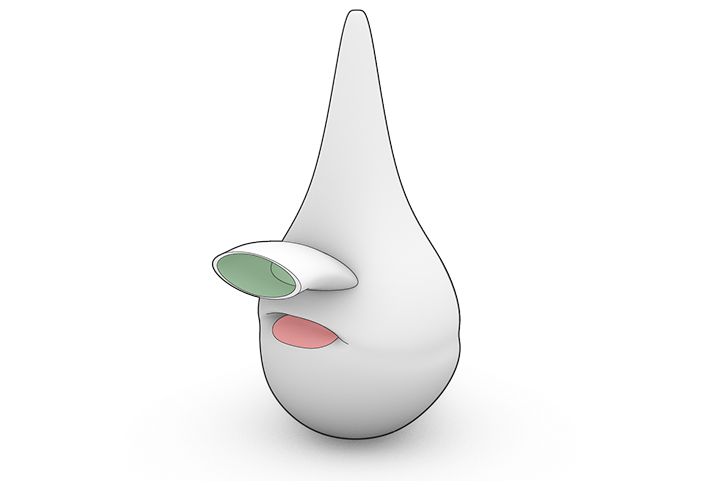
This dual function motivates the design of sleeping kits that are more secure, spacious, and better suited for storing climbers’ gear.
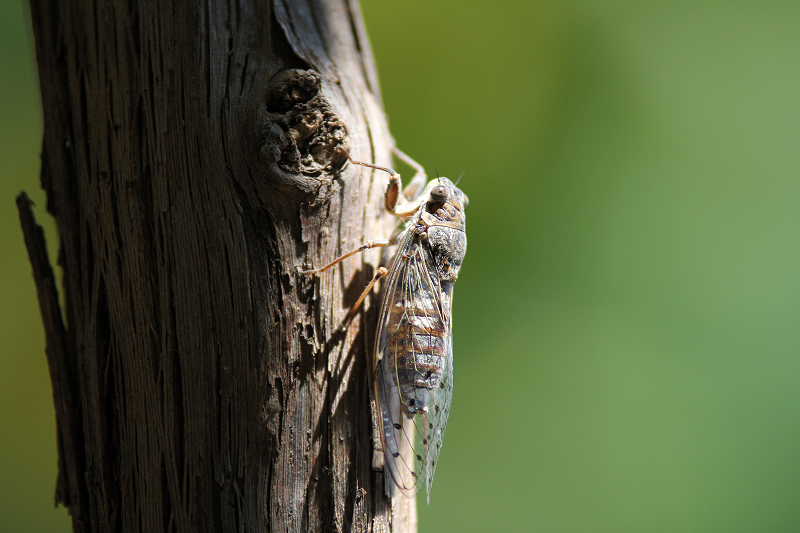
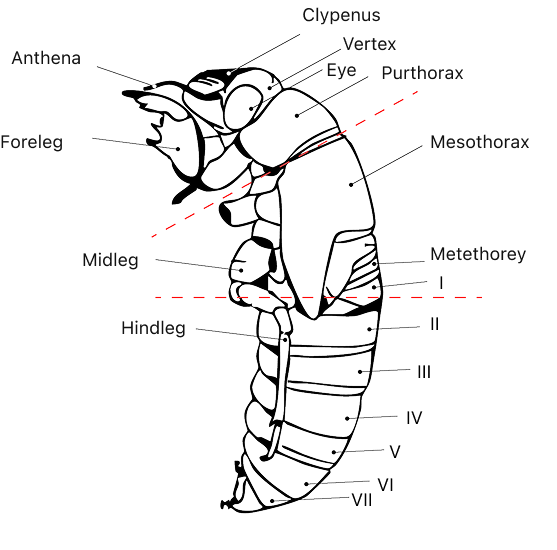
Using claws on their tarsi, cicadas can cling to stems and bark for days. Their systematized anatomy—head, thorax, and abdomen— and ability to remain stationary are key features informing this project.
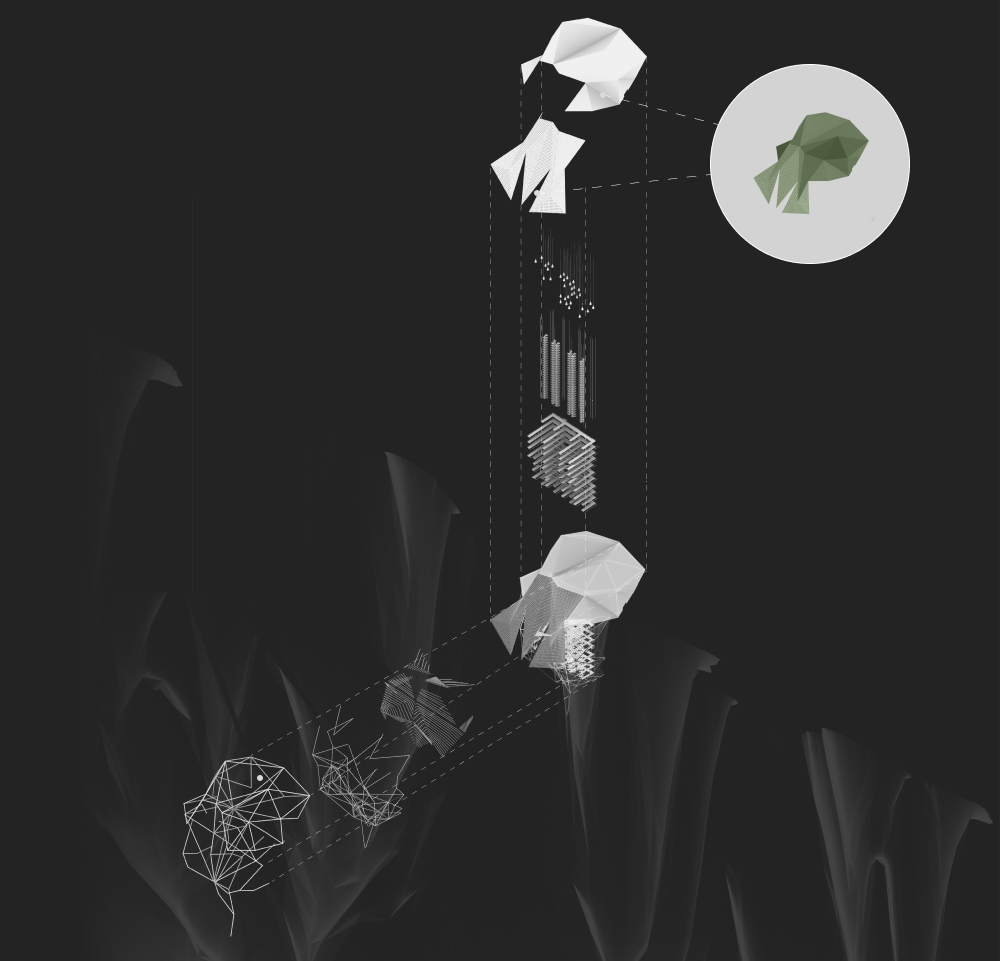
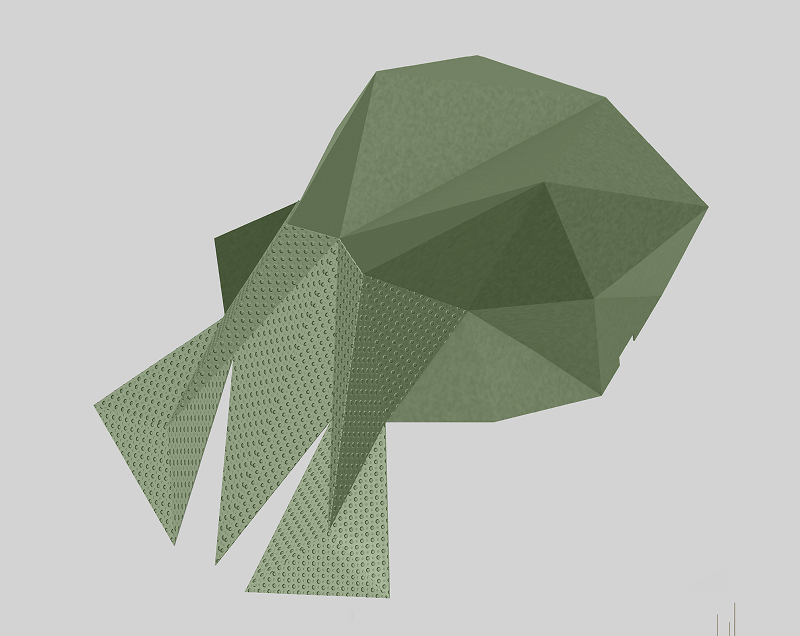
The shade structure is a hybrid of metal mesh panels and carbon-fibre sheets with peripheral elements to allow partial indoor natural lighting.
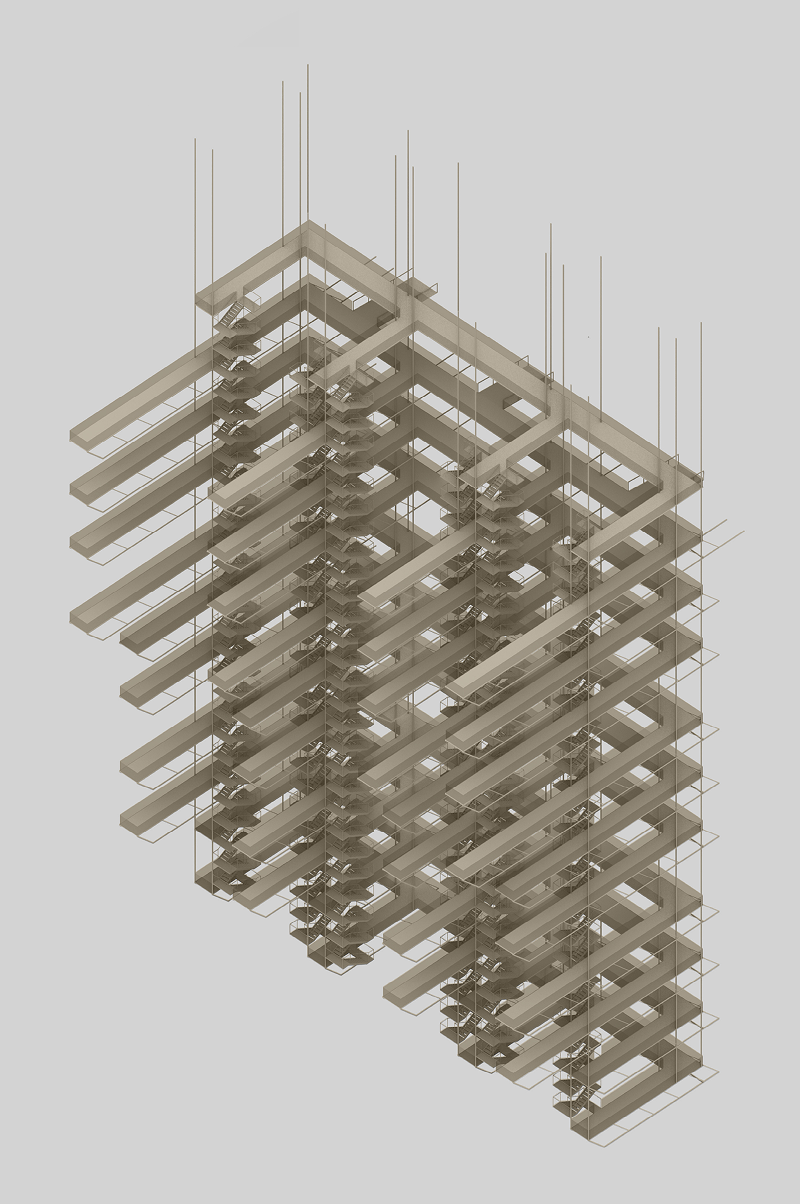
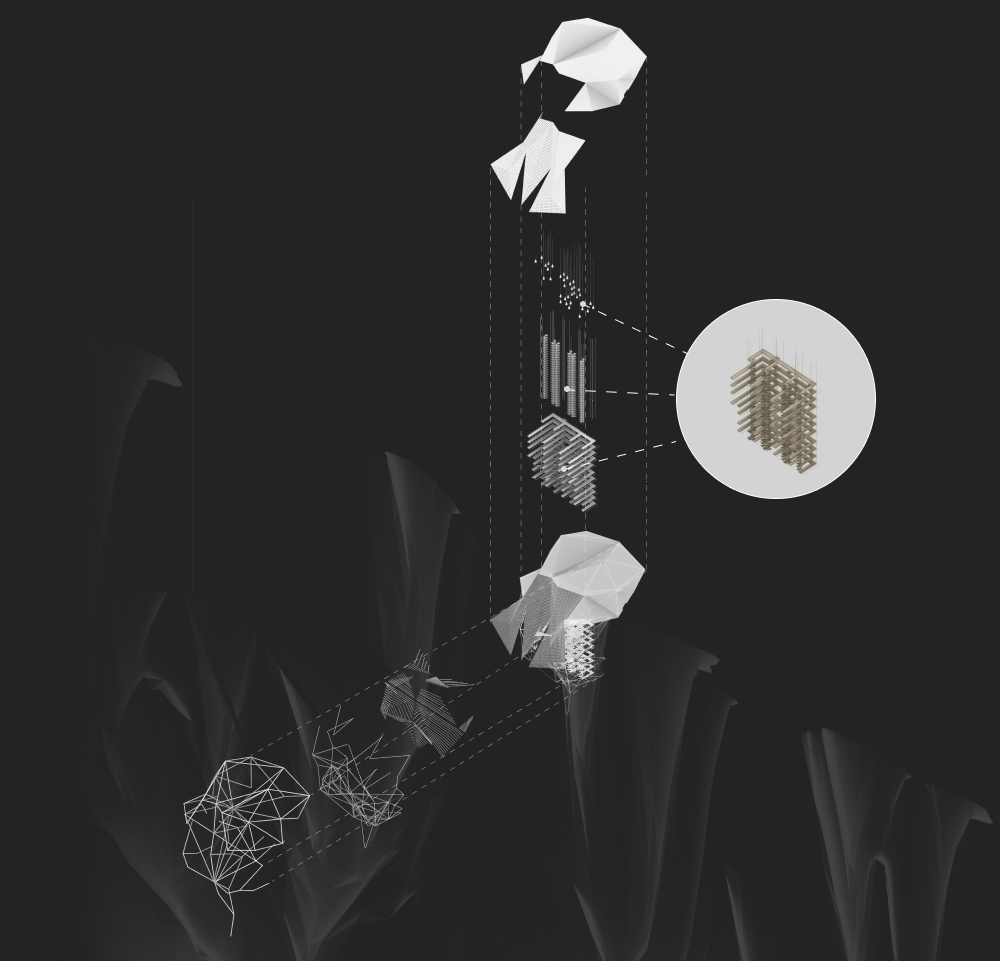
A series of 11 platforms creates a safer circulation zone for climbers along the cliff face. In addition to guardrails, metal channels are available on each platform, allowing climbers to secure their carabiners while installing or removing their sleeping sacks.
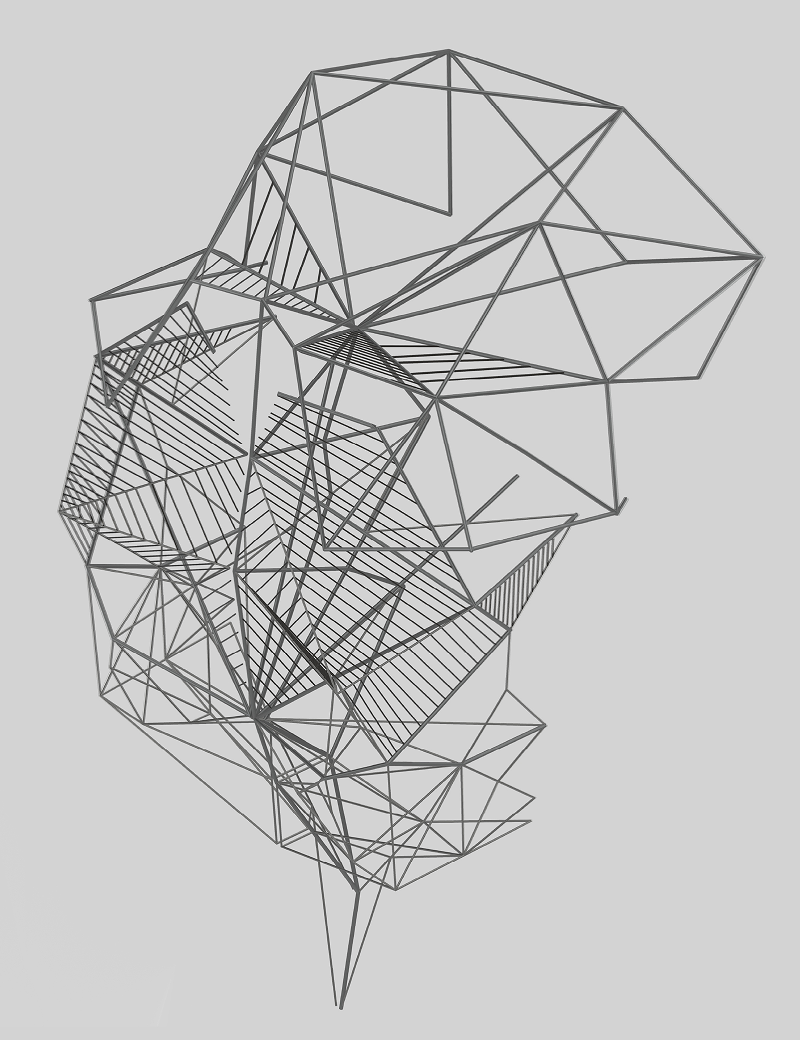
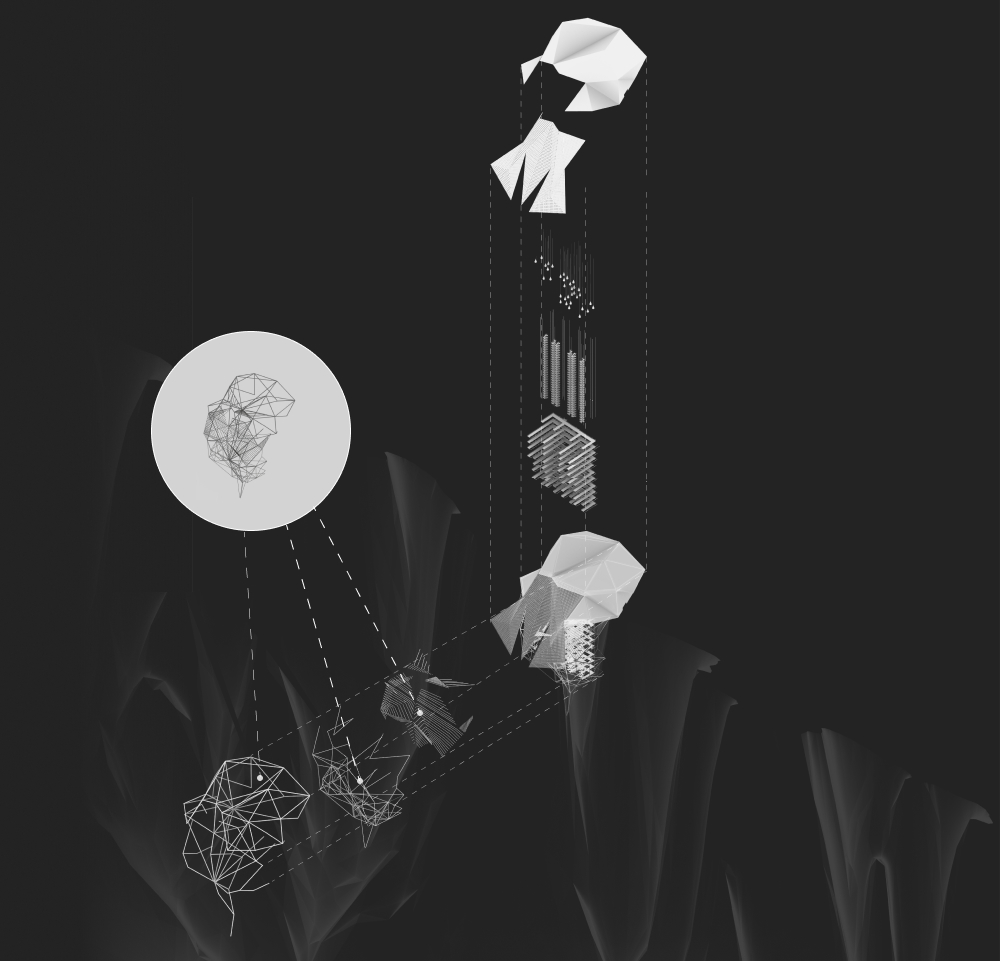
The metal framework adopts a cicada-inspired form: 1-foot-diameter primary members act as spines, while 3-inch frames support the platforms and sleeping sacks.
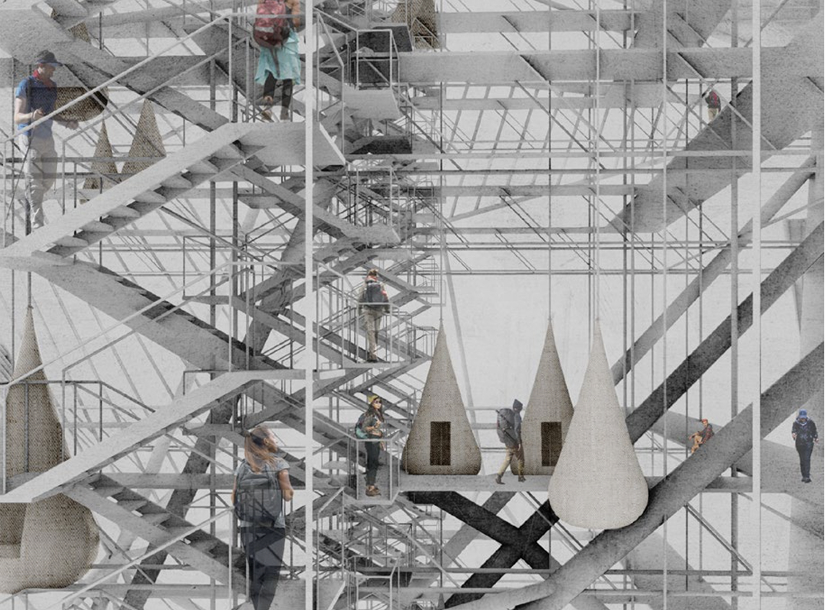
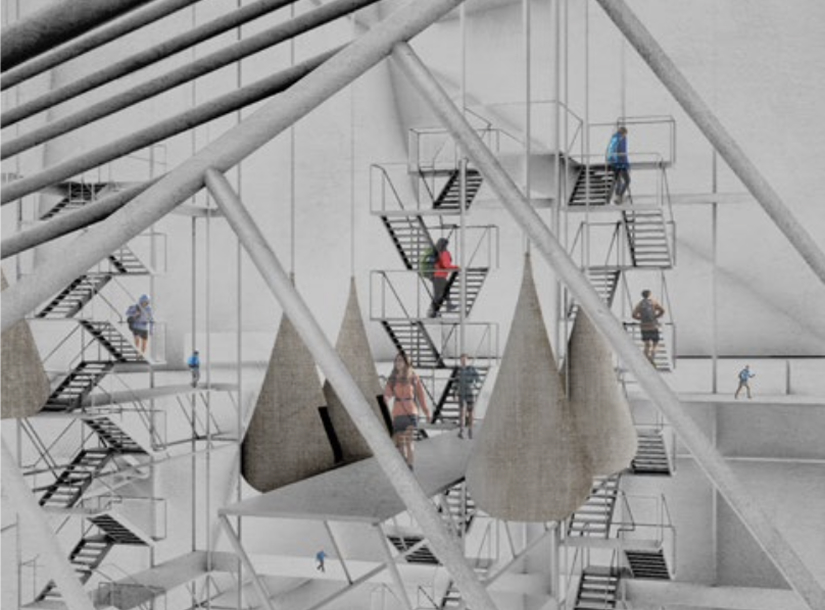
As demonstrated, Checkpoint seeks to provide a stable resting environment for rock climbers, who are often vulnerable to mechanical failures, severe weather, and unstable sediment. The writer hopes this project can serve as a prototypical piece of infrastructural architecture—one that inspires practitioners to develop more pragmatic, real-world versions.
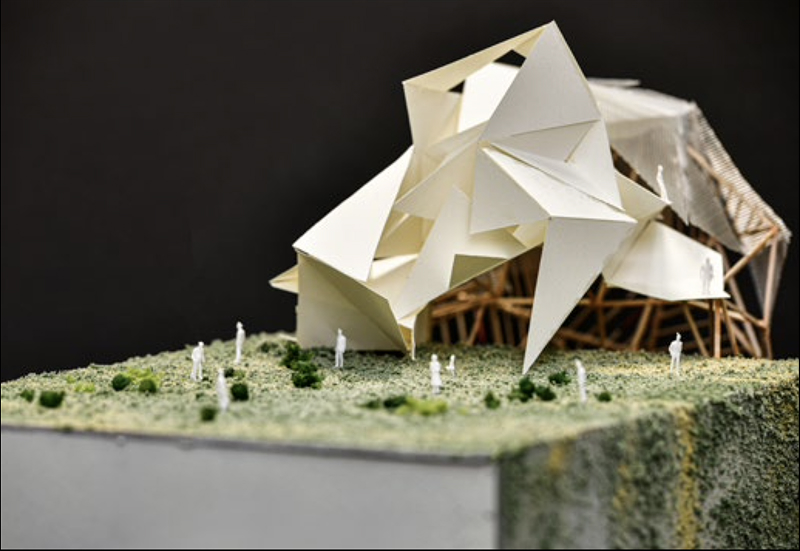
The cicadas’s body structure—its head, thorax, and abdomen—was reinterpreted as the project’s anchor points, resting platforms, and shading elements. To ensure its stability, the primary and secondary framworks are firmly embedded to the terrain using footings constructed within it.
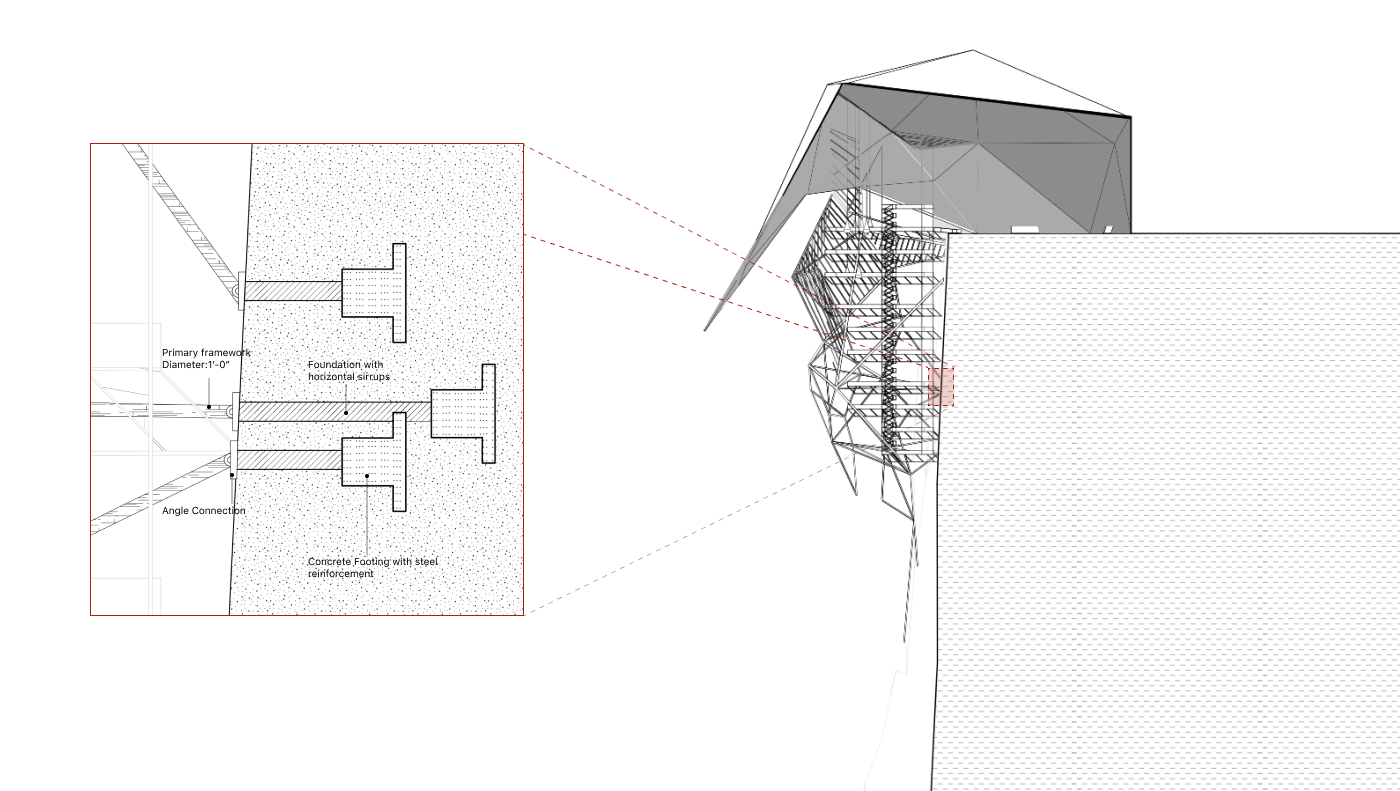
The steel members are organized into primary and secondary systems: the primary framework ensures overall stability, while the secondary supports the sleeping sacks and shade structure.
By drawing from penduline tit nests and cicadidae attachment strategies, Checkpoint becomes a secure resting point that reduces the risk of falling for climbers. Anchored directly to the cliff like cicadas on vertical surfaces, the structure provides a stable platform while reinterpreting traditional suspended sleeping systems through architecture.