Open in Browser
This site may not display correctly inside KakaoTalk’s in-app browser.
Please open it in Safari/Chrome for the best experience.

Self-Directed, Award Winning Project

Hazardous Diving
Training Facility

Hazardous Diving Training Facility Model

2025 | Architecture| Individual Project

OVERVIEW

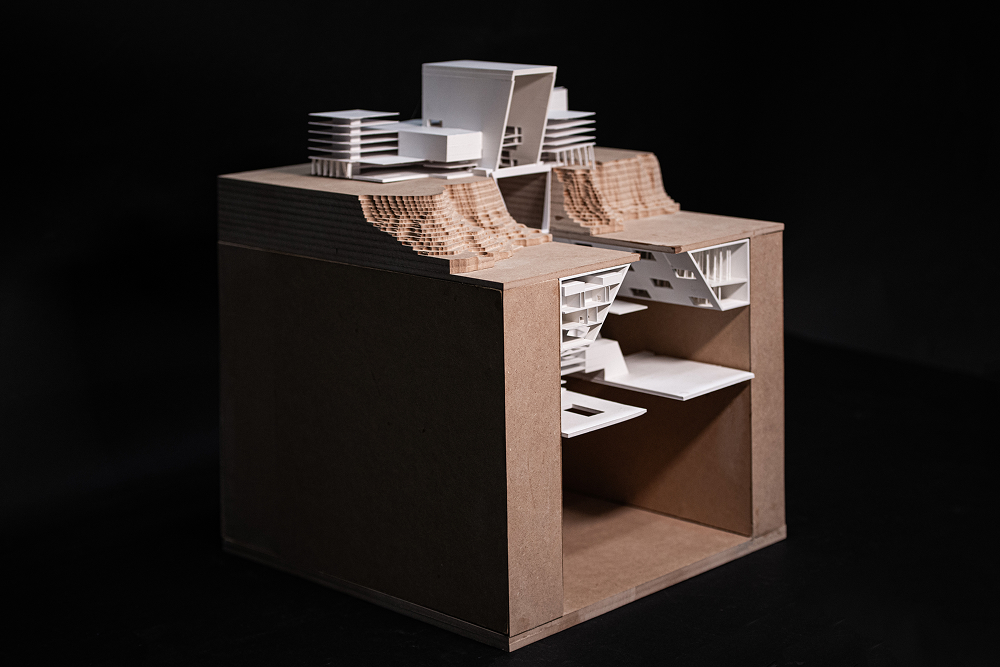
While scuba diving prevails as a recreational sports today, its technical side remains life-threatening. Cavern, public safety, deep, and wreck diving require in-depth understanding of decompression and equipment proficiency-and even with meticulous preparation, the risk of fatality still lurks around. Hazardous Diving Training Facility (HDTC) is designed to train professional divers by simulating realistic volatile underwater environment, in which divers rehearse critical survival skills.

BUILT design awards winner 2025 newyork architectural design awards

SITE ANALYSIS

Extreme Diving Site Analysis

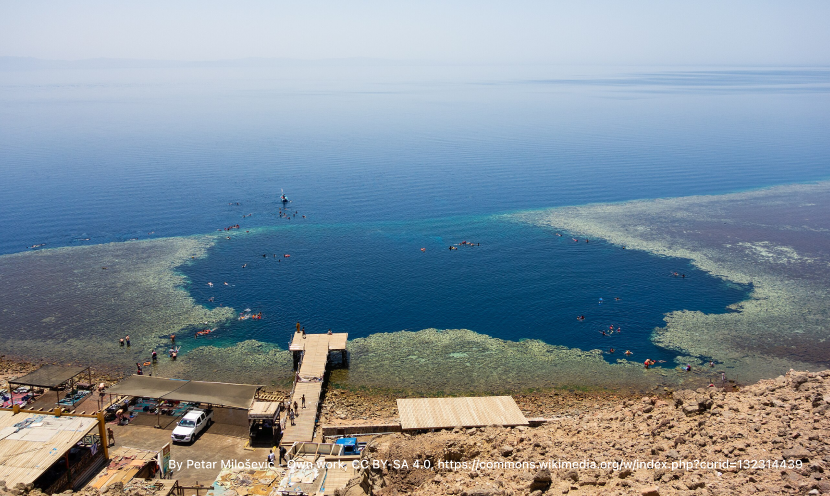
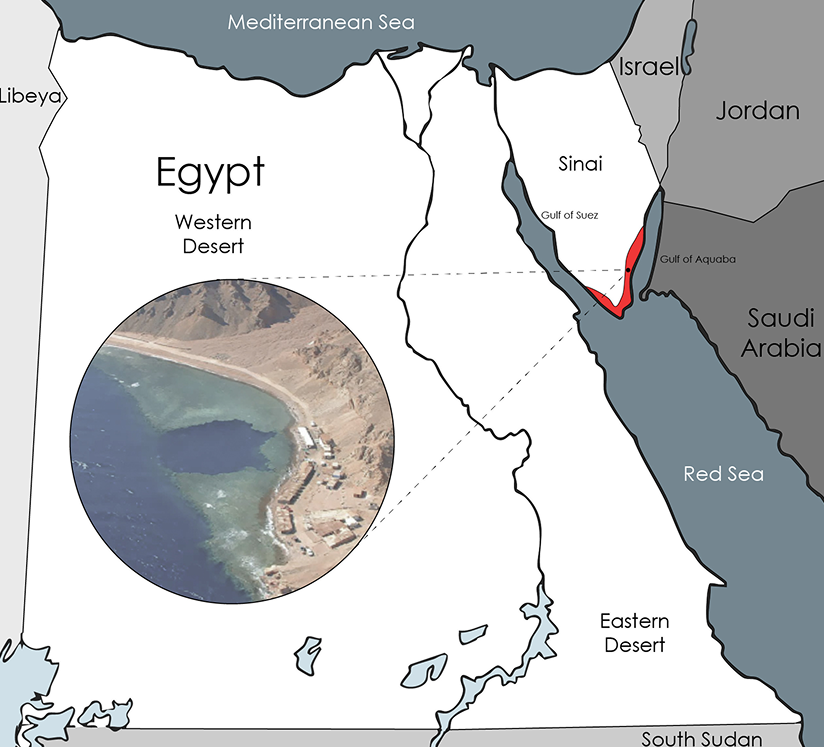
the location of Dahab Blue Hole

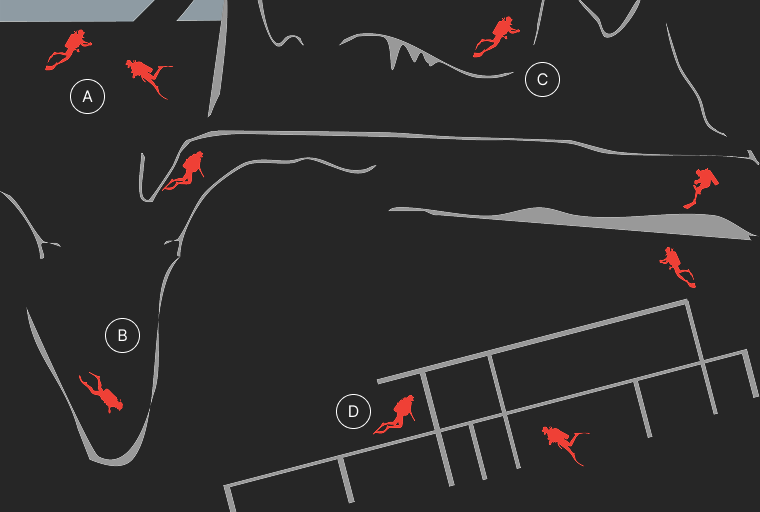
Dahab Blue Hole, in , Egypt, is a world-famous diving site on the Red Sea. Known for its deep underwater sinkhole and vibrant coral reef, it attracts divers worldwide. Despite its beauty, it’s also known for its depth and labyrinth structure-fatal enough to earn the title “Divers’ Cemetery.” Over 150 casualties have been recorded here alone, with nitrogen narcosis, oxygen poisoning, and air source depletion as main causes of death. Given its popularity and danger, Dahab Bluehole contextually suits for HDTC, a training facility that facilitates accommodation to a variety of risky underwater environment.
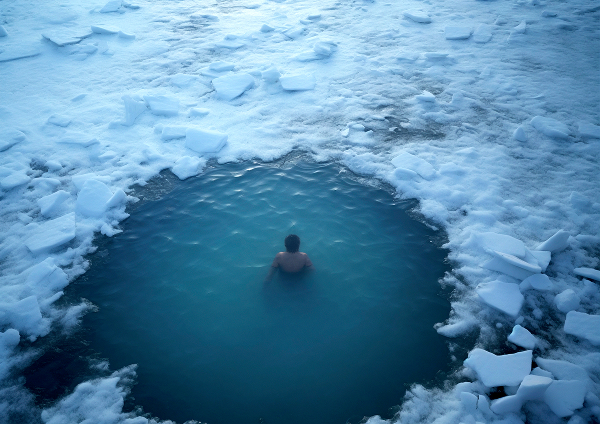
ice diving

ice diving

Cavern, deep, wreck, and ice diving—also known as overhead environments—are inherently dangerous due to their limited visibility, overhead environments, extreme depths, cold temperatures, and complex navigation, restricting direct ascent and magnifying small mistakes into potentially fatal emergencies.

Dahab Bluehole sufficies three of the categories above (deep and cavern), establishing itself as a symbolically suitable site for the construction of HDTC. By designing a combined superstructure and substructure that extend tens of feet below the surface, the project not only functions as a comprehensive underwater training facility, but also stands as a landmark for non-divers to visit and understand the benefits and risks of scuba diving. Moreover, given its proximity to the notorious Dahab Bluehole, the place could specifically operate as a docking station, allowing divers to examine and verify prior skills and protocols demanded for their upcoming expedition.

FORM ANALYSIS

SPATIAL INSPIRATION FROM UNIQUE CORALS

The Hazardous Diving Training Center borrows forms from unique corals to establish superstructure and substructure for training professional divers for overhead environments (e.g., shipwreck, cavern, deep, etc.). Six corals were selected to be studied and incorporated in the process of spatial inspirations.

leather coral form
brain coral form
palythoa form
aplysina form
lettuce coral form
blue xenia form
leather coral

Leather coral is a soft coral characterizes by a flexible surface that has a dense tentaclular profile. Commonly found in regions with strong currents, it plays vital role in reef oxygenation and nutrient cycling. The tentacular system that modulates current speed for effective nutrient circulation is truly inspiring, and will be applied for designing fast-current zones in this project.

brain coral

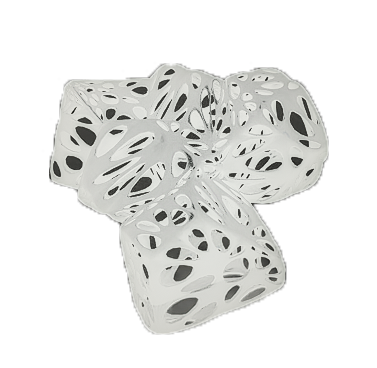
Brain coral is a slow-growing reef builder with maze-like ridges, providing habitat, stability,and protection for diverse marine life. Its convoluted skin geometry is analogous to spatial /architectural language, making it particularly relevant to programs related to enclosed-space exploration or search & recovery training exercises.

palythoa tuberculosa

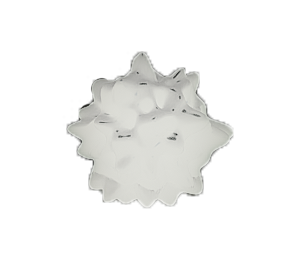
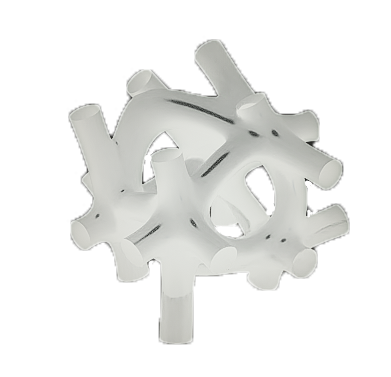
Palythoa Tuberculosa is chacterized by a porous surface profile, and is widely found in shallow waters (e.g., Hawaii), serving as a foundation for the local reef ecosystem to generate on rock surfaces. Such a peripheral, yet rugged-looking quality inspires exploration of designing obstacles that will acclimate divers navigate amid claustrophobic circumstances.

aplysina archeri

Aplysina Archeri belongs to a species of sponge that grows up to 5 ft vertically. They are known to grow for their lifetime and are found in the western atlantic ocean.

lettuce coral

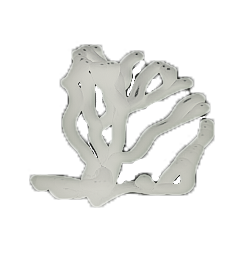
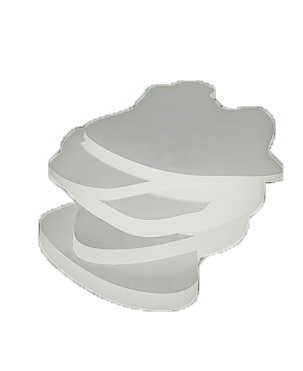
Lettuce coral is a plate-like coral commonly found in Caribbean reefs. It is known to shelter marine lives and relies on symbiotic relationship with algae. Its distinctive form, in which leaves are stacked up on one another, serves as a main reference for facade and the superstructure of the project.

blue xenia coral

Blue Xenia coral is a soft, photosynthetic coral known to thrive in moderate light, nutrient-rich environments, adding vibrant movement and oxygenation to reef ecosystems.

BLUEHOLE-BADED FORM EXPLORATION

dahab blue hole image

Dahab Bluehole

dean's blue hole image

Deans Bluehole

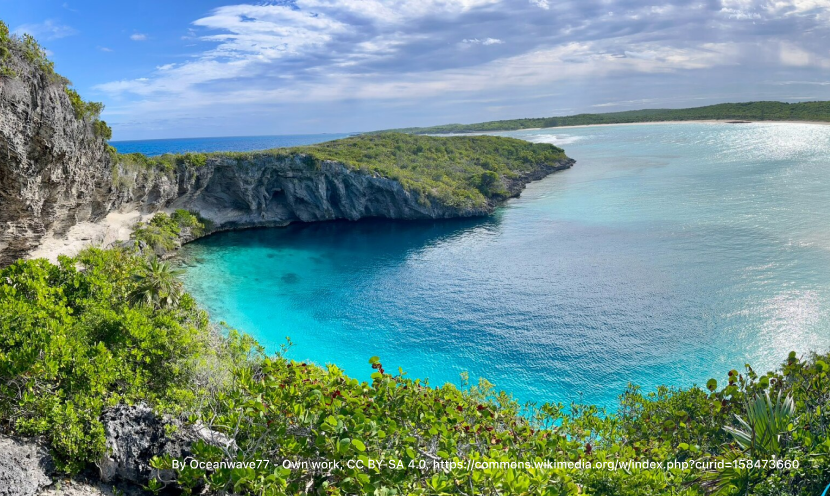
The generic form of the pool derived from the both the channel systems of Dahab Bluehole and Deans Bluehole (a bluehole that is just as popular for its immense depth, and cylindric volume that plunges nearly 200 ft down).

AXONOMETRICS

Coral-Inspired
Axonometry

Programmatic Diving Conditions
Coral Morphology Translation

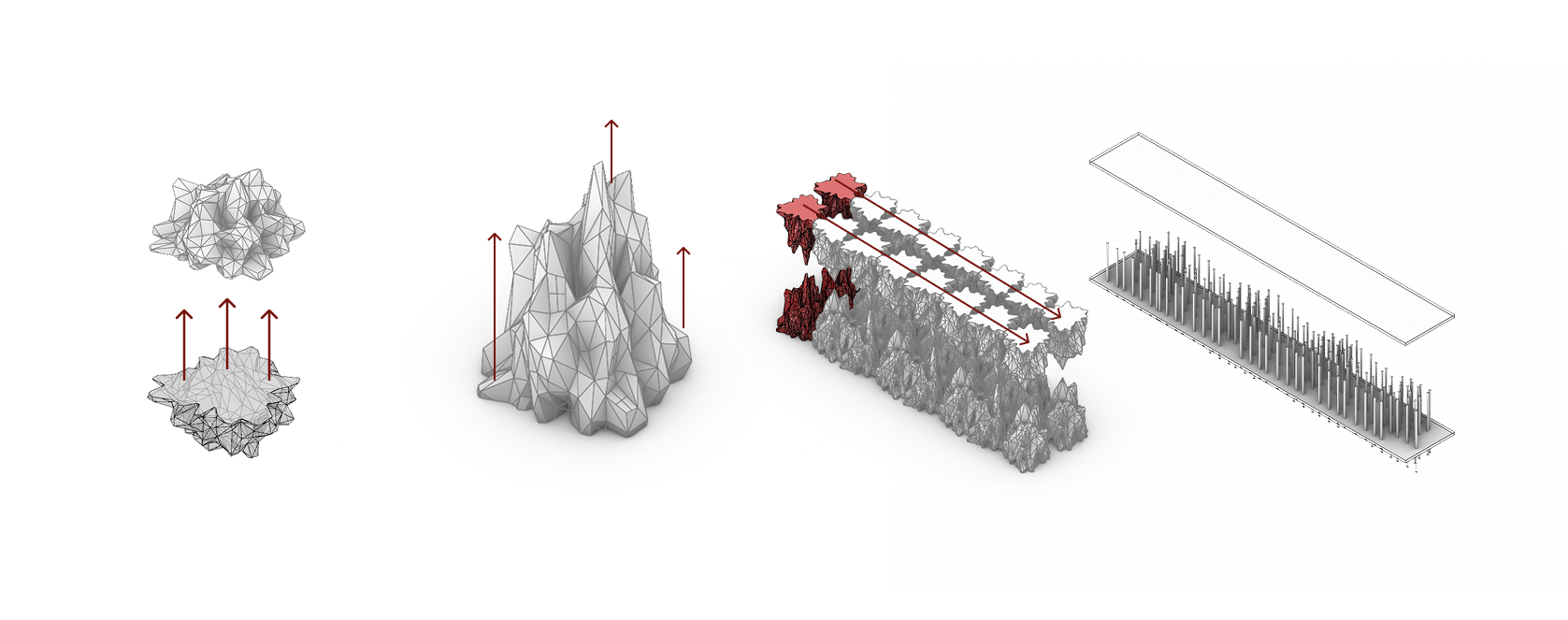
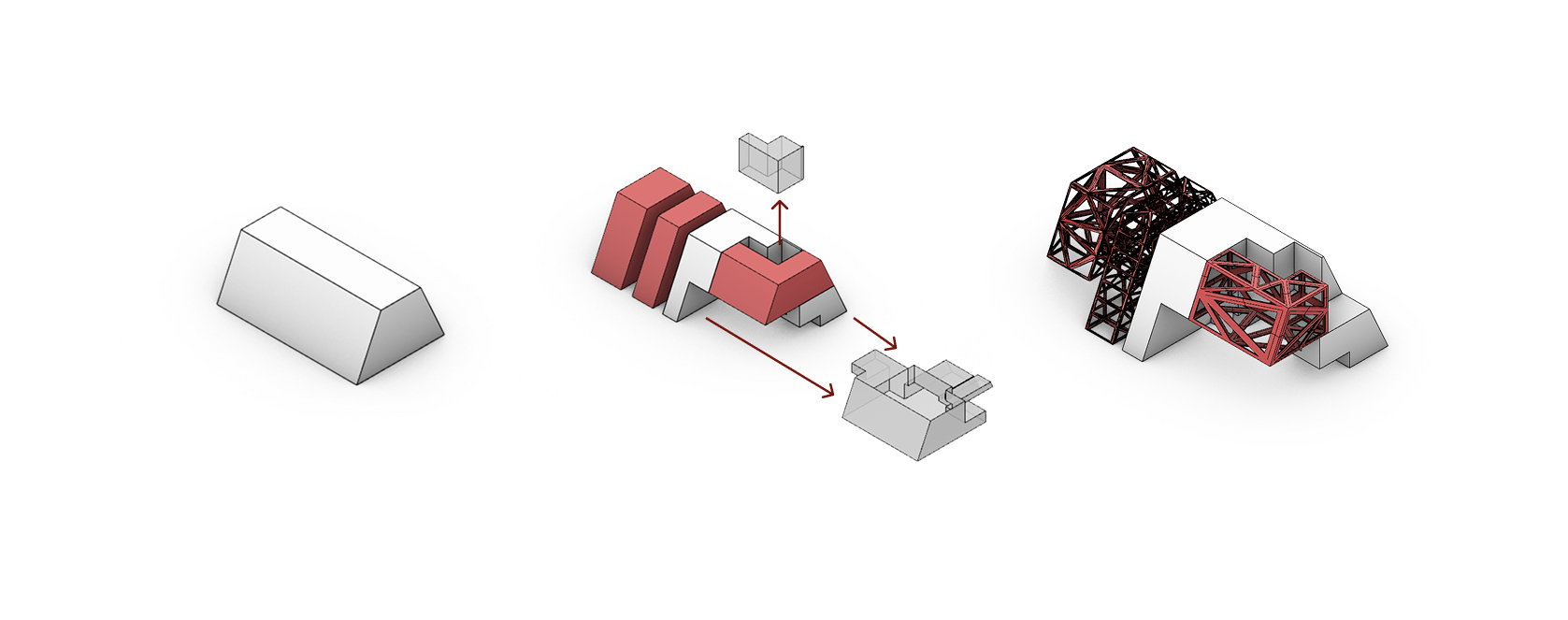
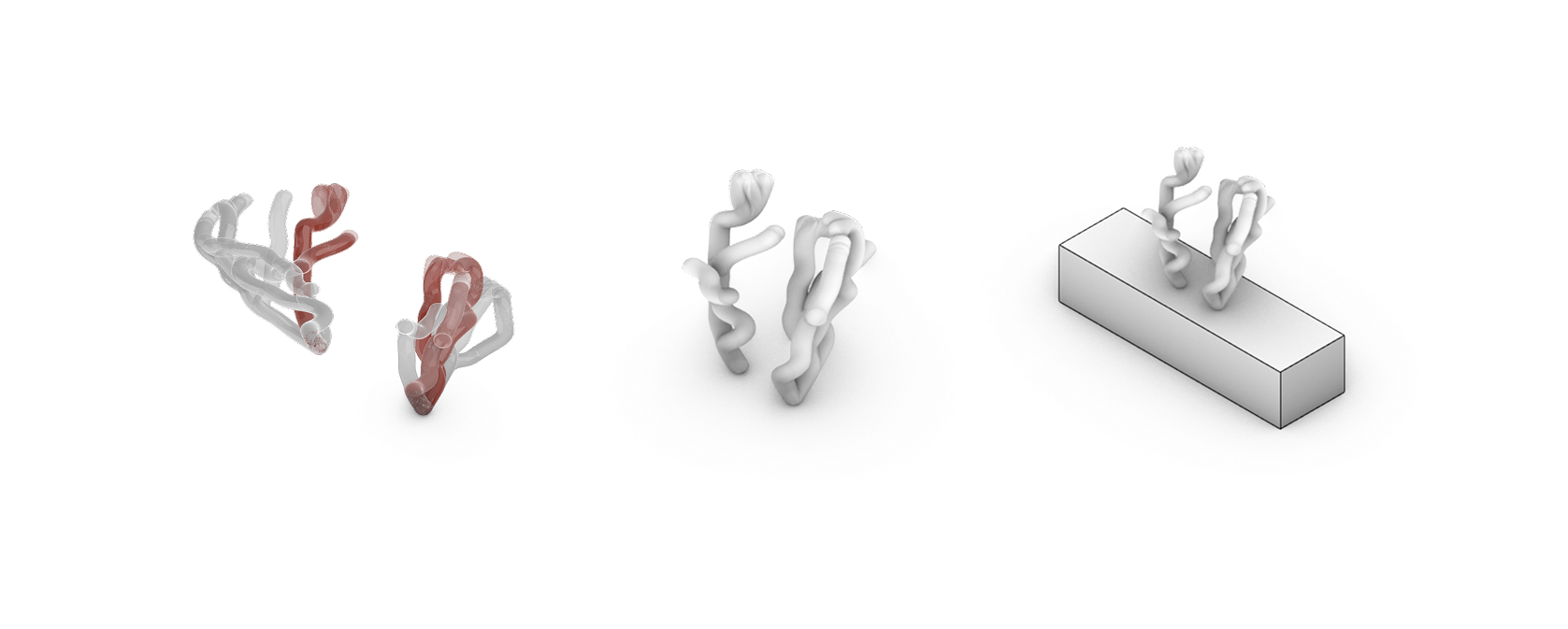
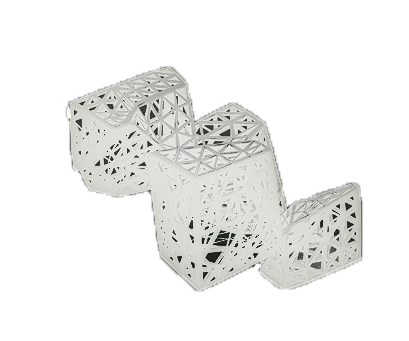
As Leather coral facilitates circulation of oxygen and nutrients through strong currents, such a feature and form was utilized to design a pair of chambers that are explicitly for wreck diving training (which also has strong internal currents due to complex structures).

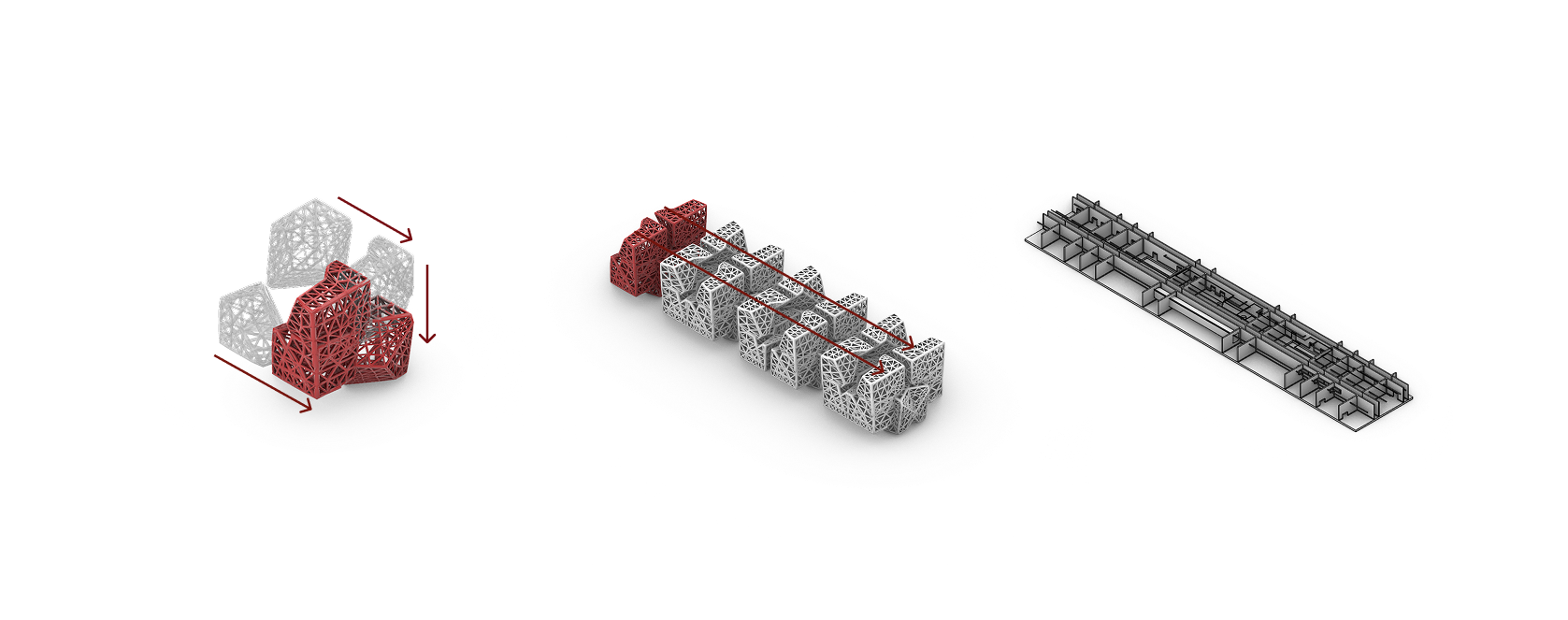
Brain coral’s maze-like form will help divers to overcome complex environments that are more complex and intricate than the obstacle derived from Palythoa Tuberculosa’s form./p>

An obstacle that carries Palythoa Tuberculosa’s porous quality works as a basic (as the organism serves as a foundation for the local marine life) obstacle training course for prospective cavern divers.

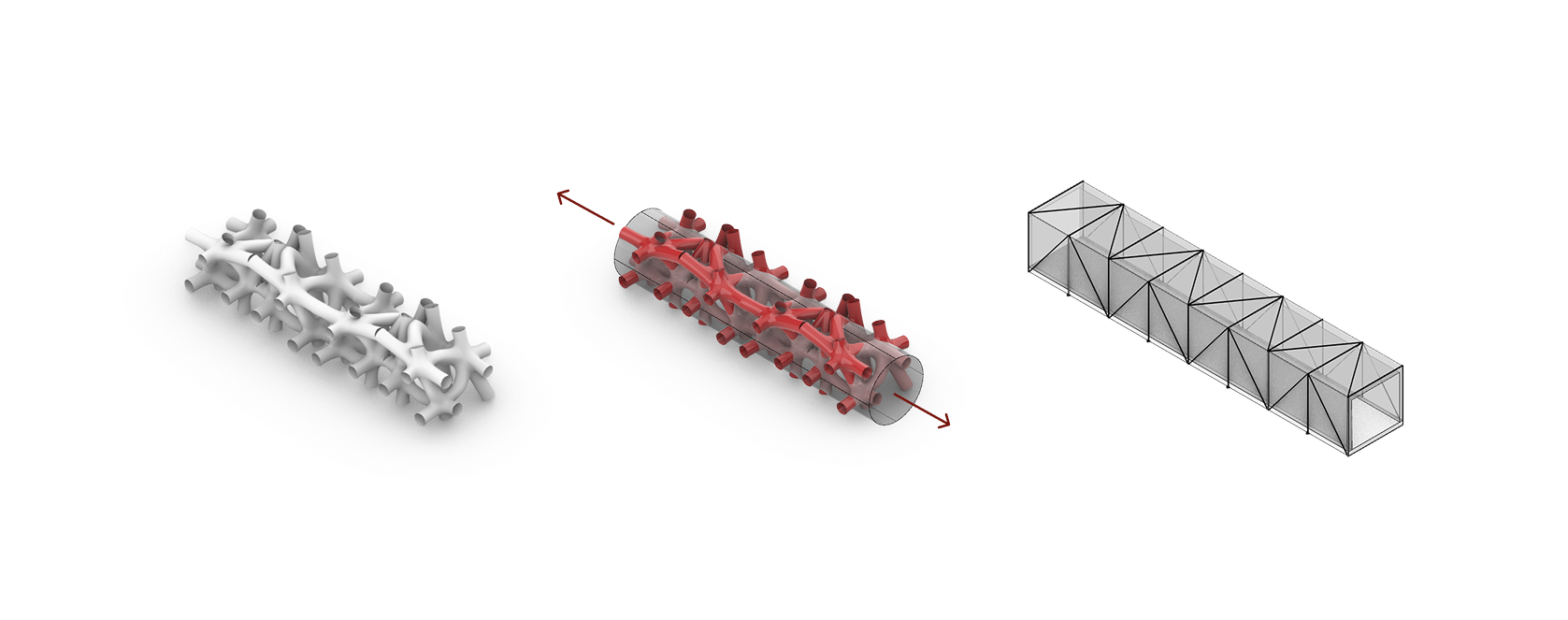
The 20ft long tubes, which are to train divers to overcome linear and compact overhead environments during cavern diving, borrowed their feature from ever-growing Aplysina Archeri.

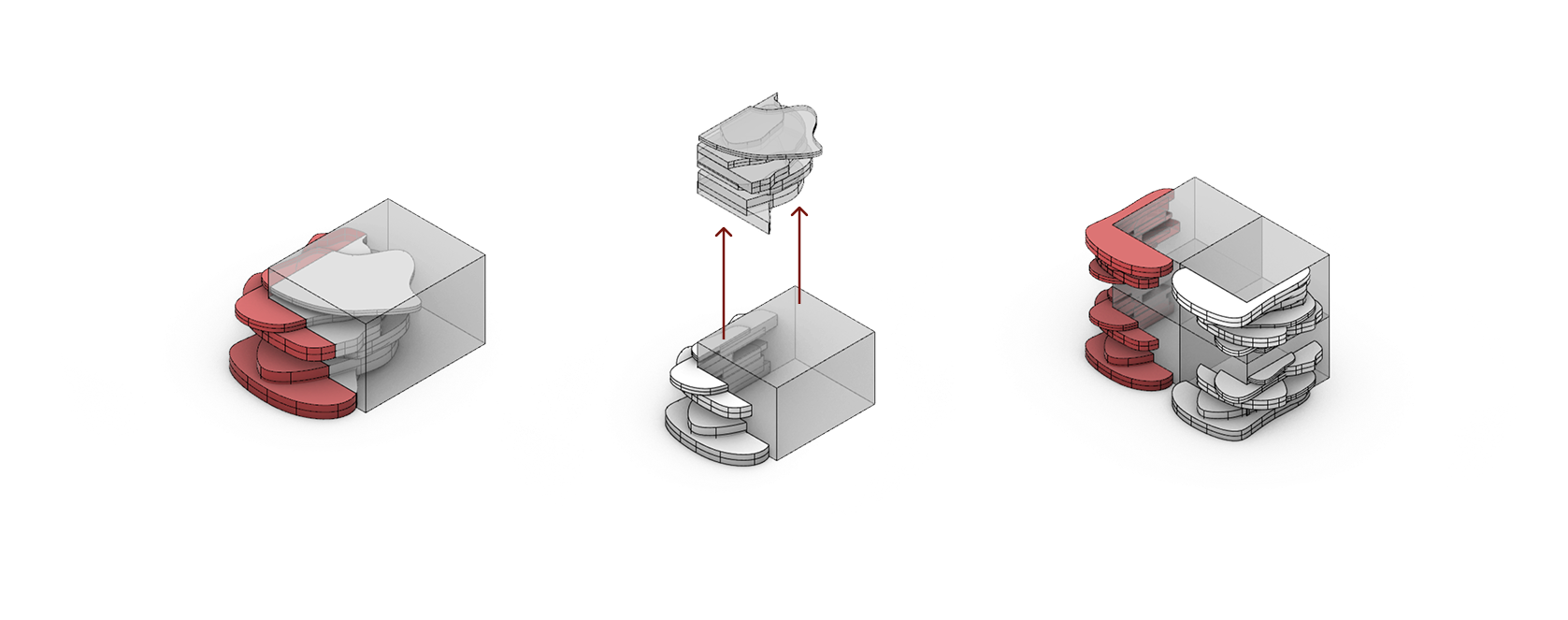
Lettuce coral often function as a foundation for the local marine life, the author conceived an idea of employing its lettuce-like form for facade.

Blue Xenia coral’s response to lights inspired the author to provide underwater trails that allow visitors and divers in the lobby to explore the threshold of the pool and also be mesmerized by the contrast of light and darkness underwater at night.

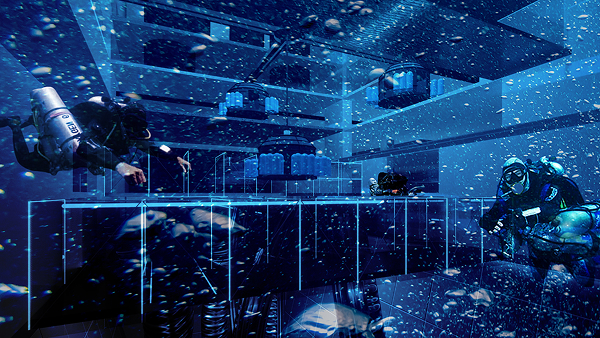
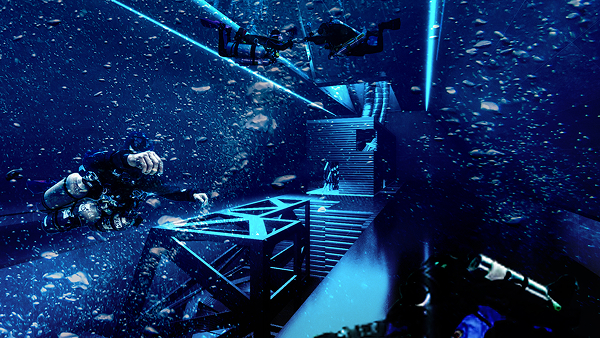
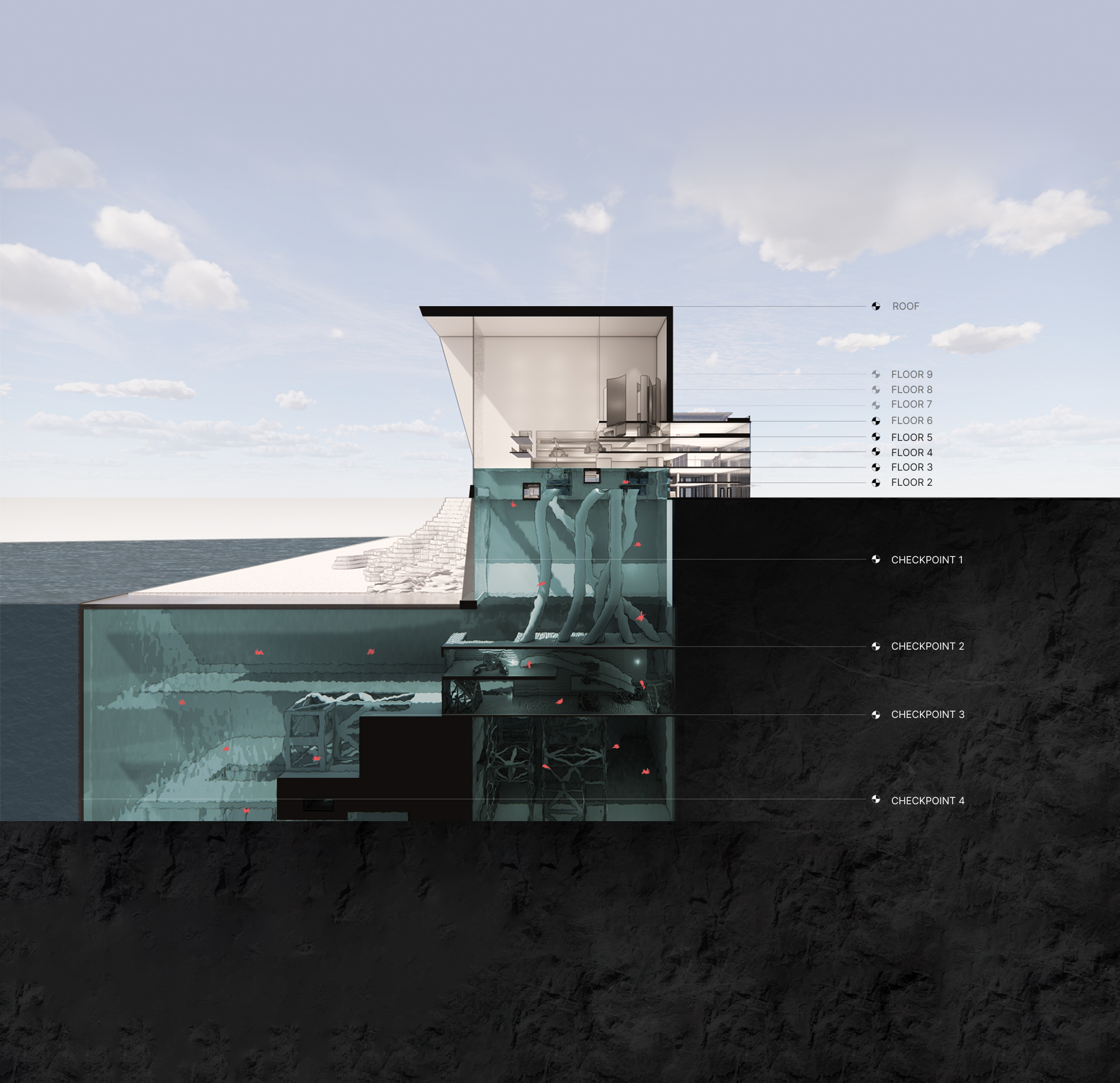
This 200 ft deep substructure accommodates divers with a set of features as follows: wreck and search and recovery diving training chambers, 70-ft tubelines for confined-space navigation, mesh frameworks for cavern diving training, and zero-brightness zone to simulate deep diving conditions. Together, the spatial composition sets itself apart from other diving training centers with minimal structural complexity.

On the other hand, the superstructural elements make immersive training experience more conducive platforms for deploying heavy-duty equipment (e.g., diving bells), lecture rooms for diving theory and planning, and digital screen halls that offer an overview of the volatile underwater environment that trainees will encounter.

Section

Sectional Analysis of
Depth-Based Training

section A image

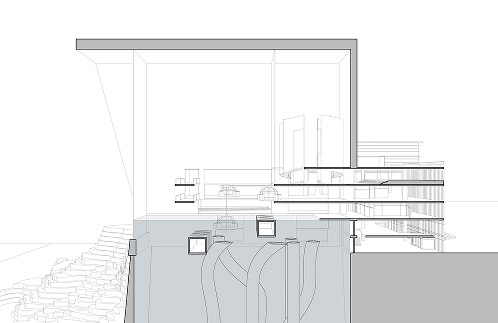
Section A illustrates the entirety of checkpoint 1 and the superstructural elements that capsulates it. As shown, circulation pathways are positioned on the first and second floors, creating direct points of interaction. Interior glazing and stair connections further integrate the two distinct environments, allowing visual and spatial continuity between them.

section B image

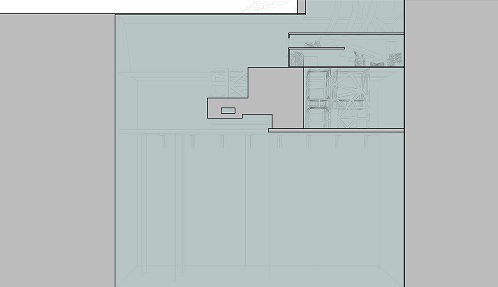
Section B illustrates checkpoint 2 and the deeper training zones where visibility and navigation complexity increase. Vertical circulation and staging platforms create stepped transitions, supporting progressive immersion and equipment handling under variable conditions.

The rule of thumb for scuba divers is to never venture to untrained environments. For instance, only if one is certified as a cavern diver, can they enter a real underwater cave environment. This project reflects on this axiom by setting a hierarchy of checkpoints that each contain training environments with different difficulties.

With all these elements integrated, the HDTC operates as a comprehensive diving-training facility that prepares trainees for a range of underwater hazard conditions. Through this project, the intent is for divers to become more proficient in navigation, equipment handling, and the physical skills essential for a safe return.

Floor Plan

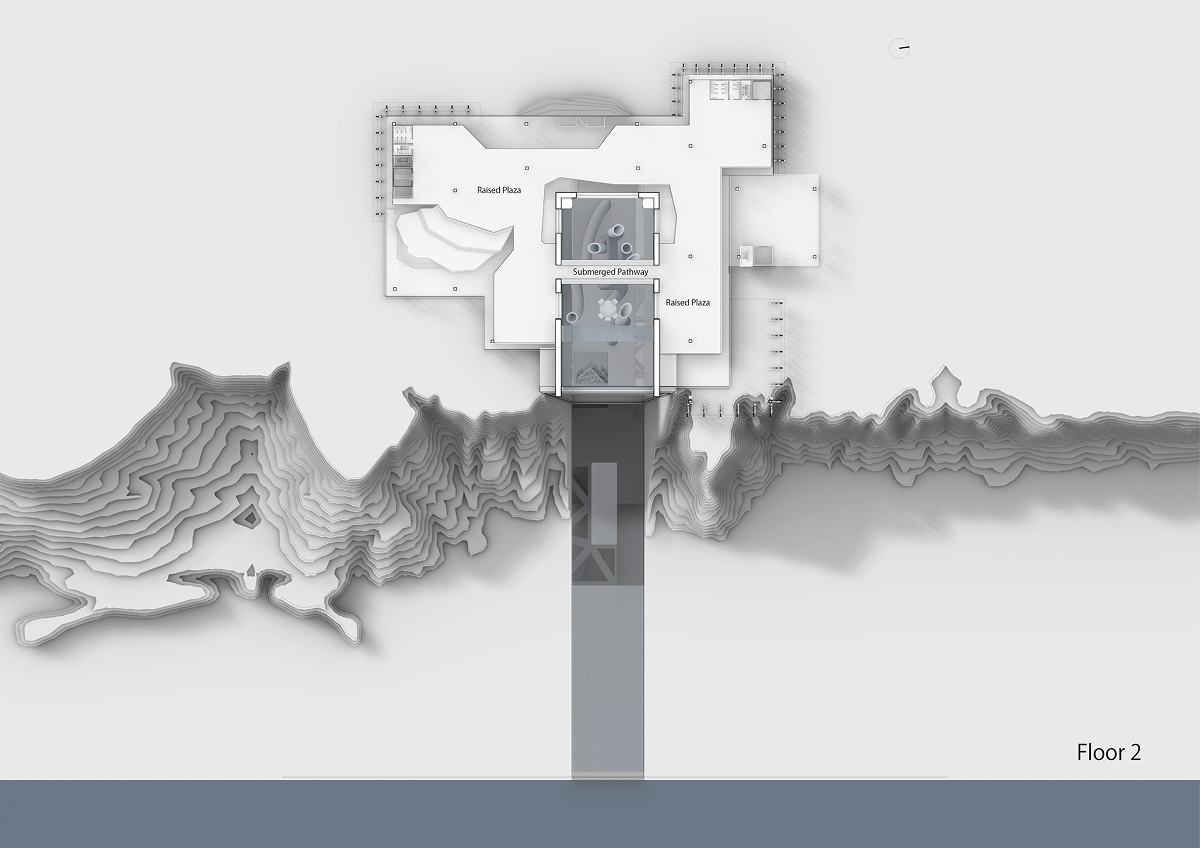
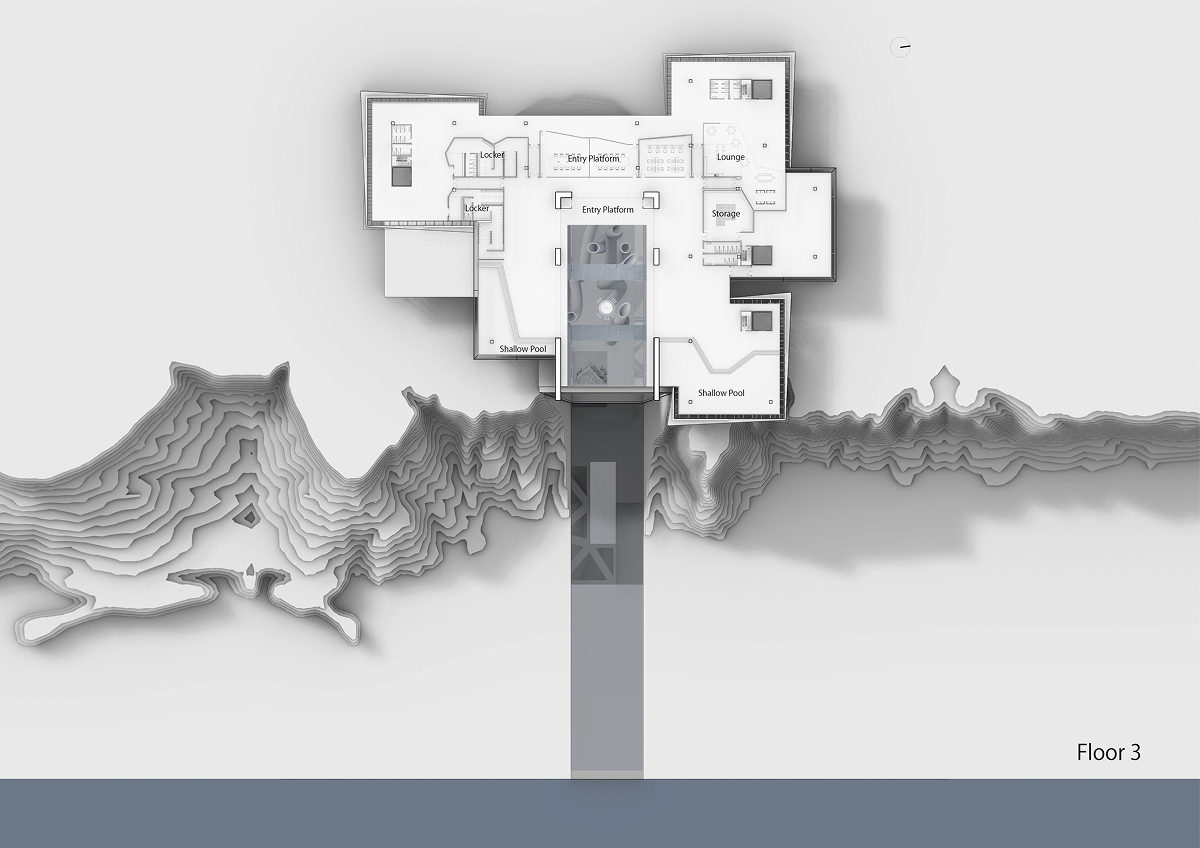
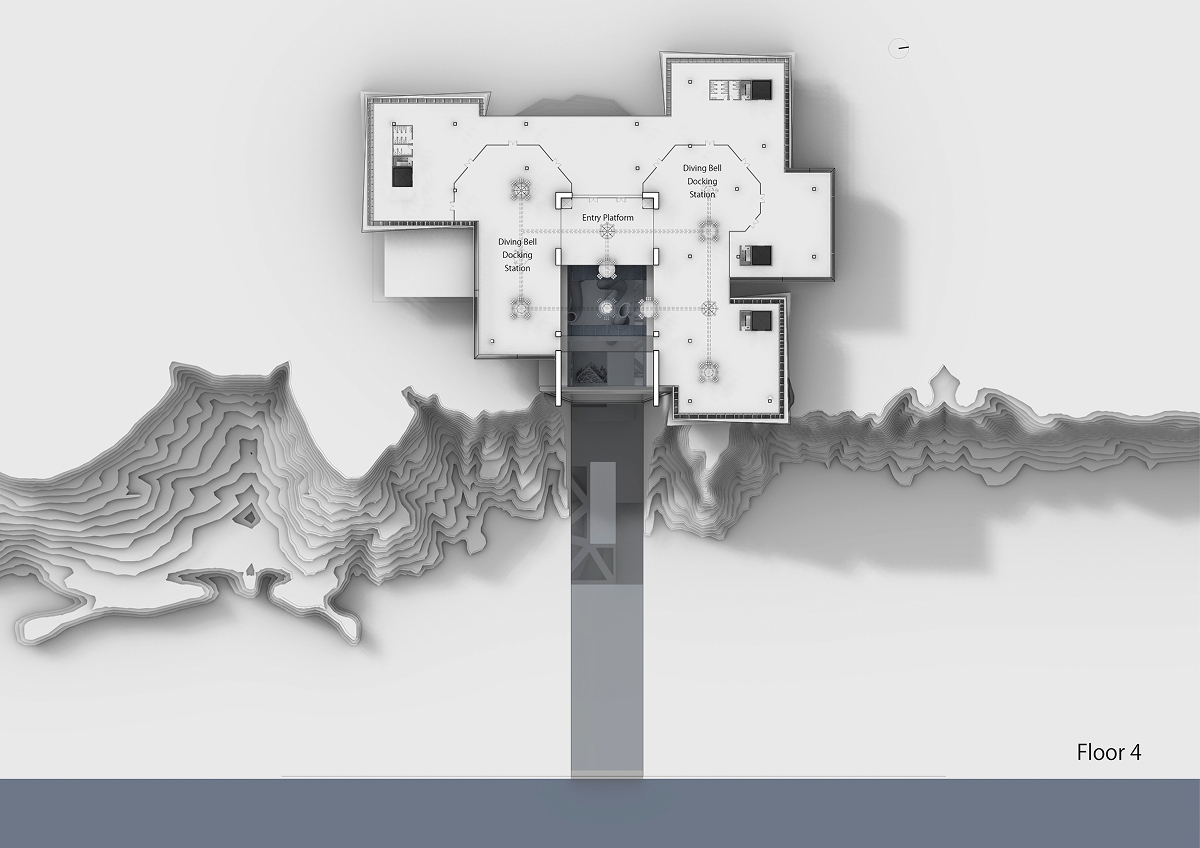
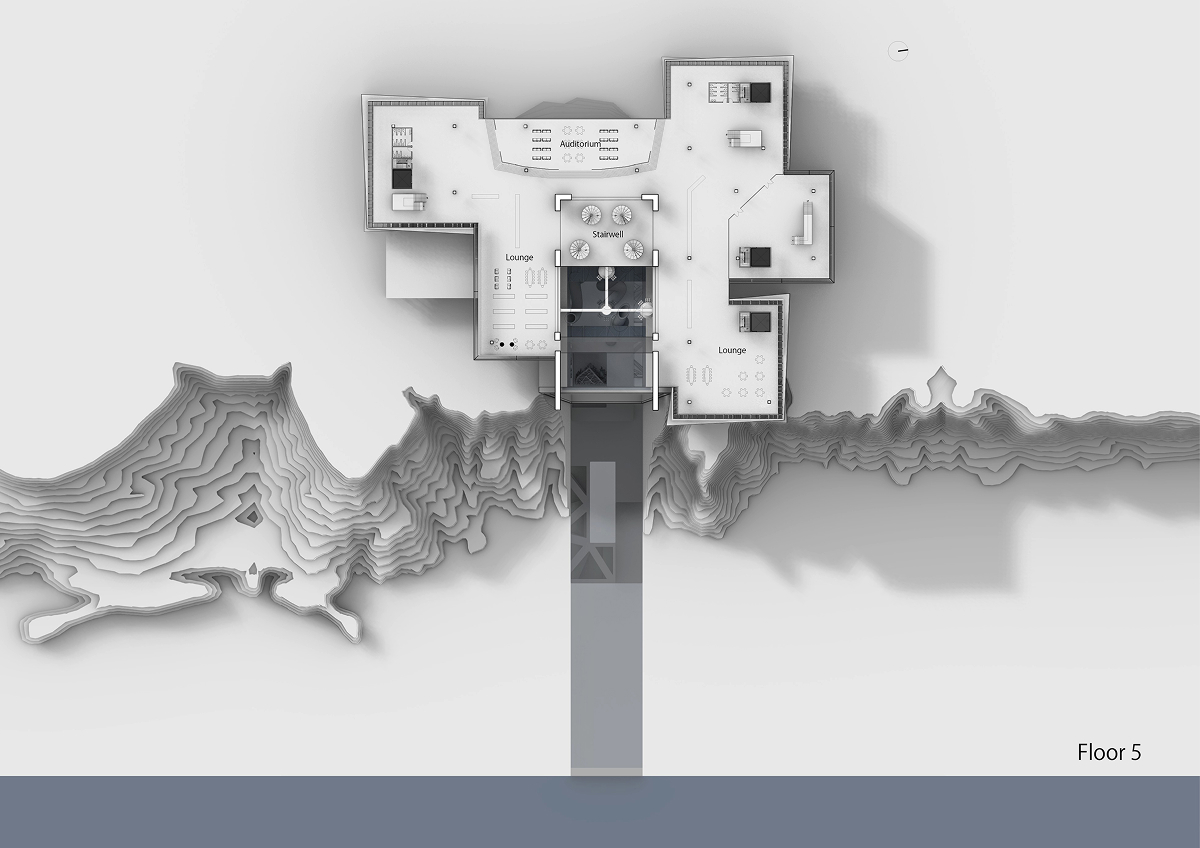
Spatial Layout of Training Facilities

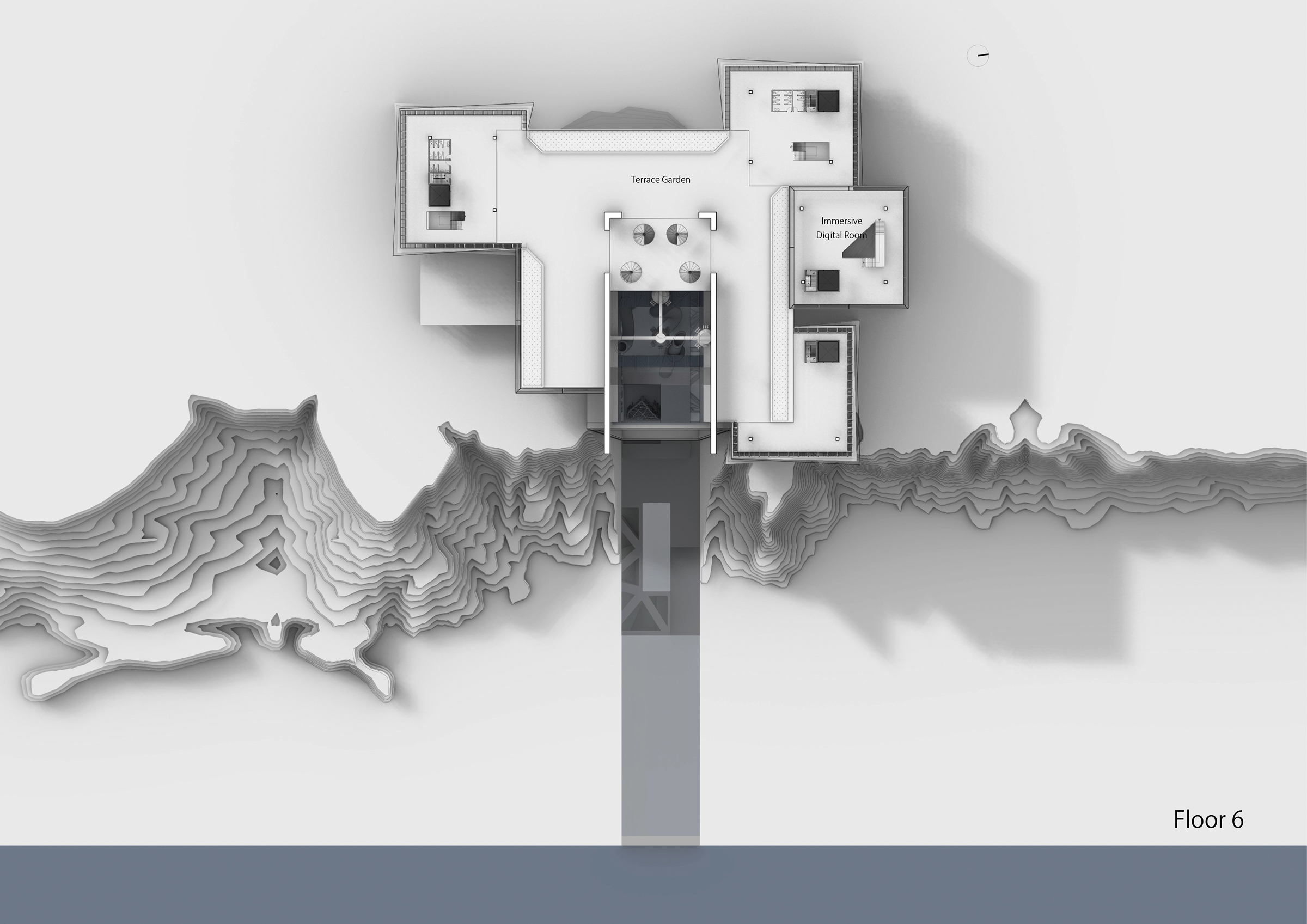
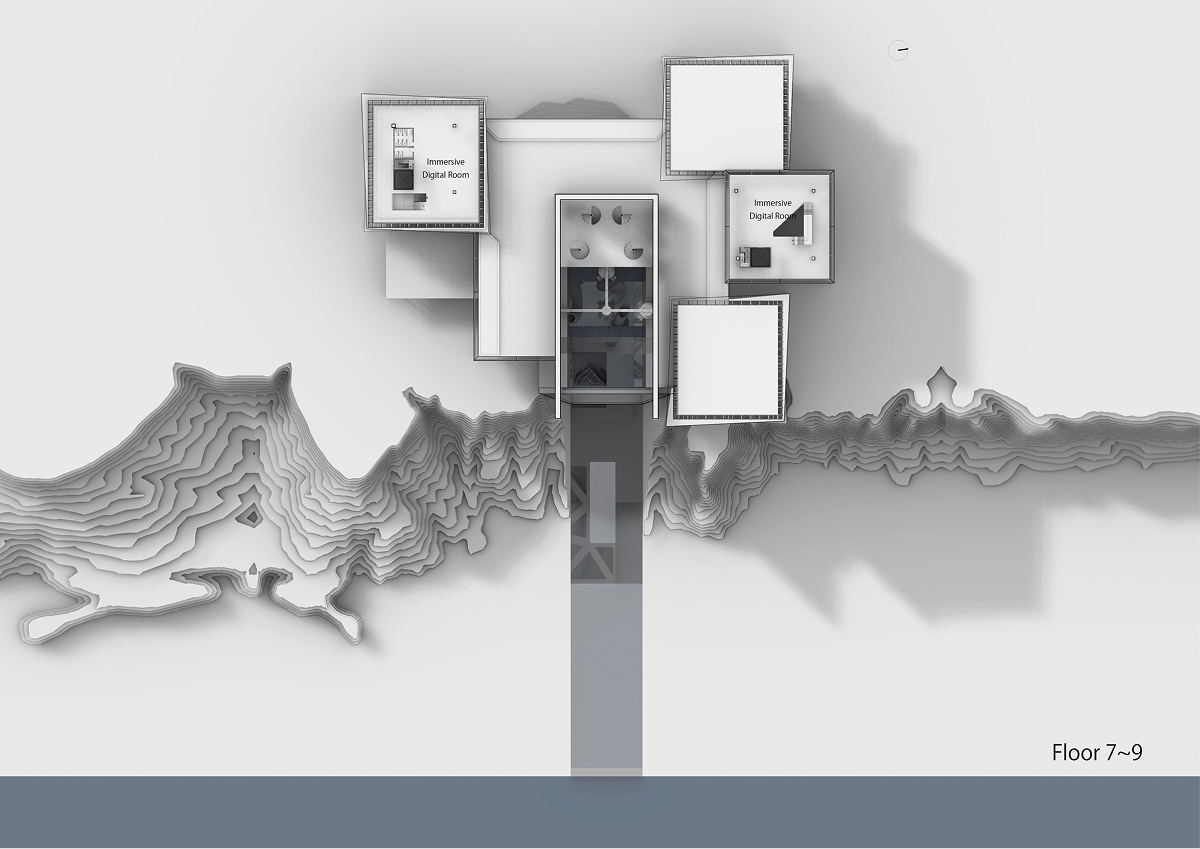
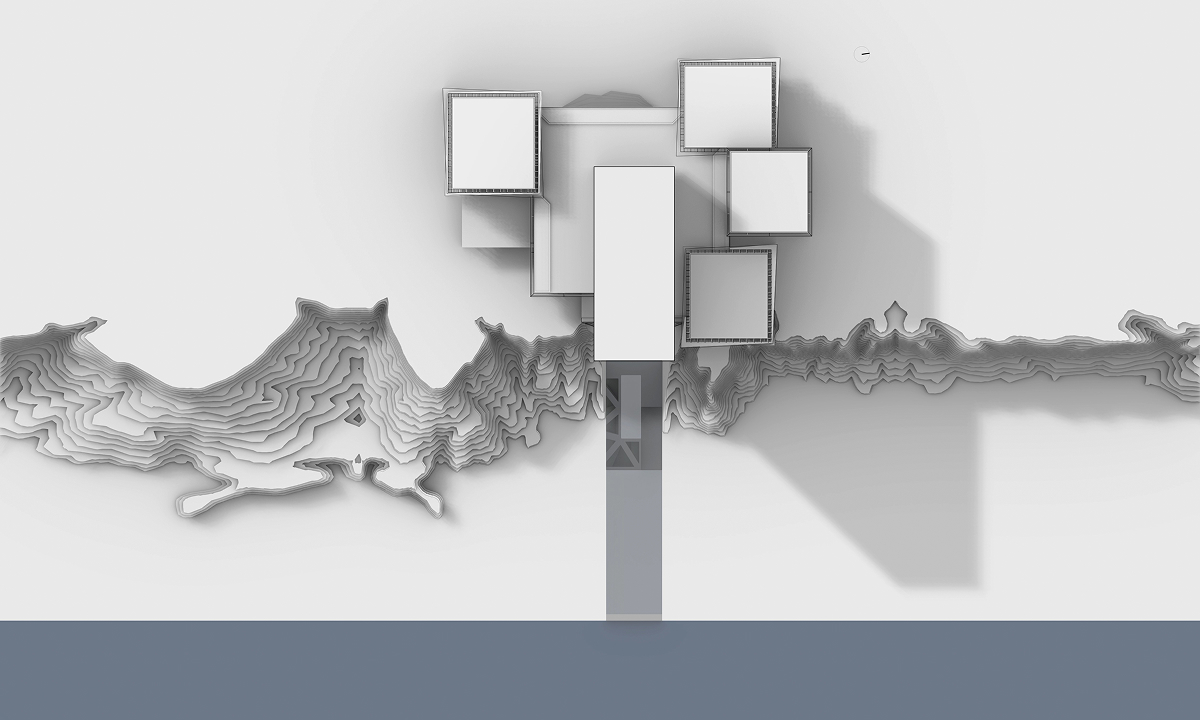
Floor 1 plan Floor 2 plan Floor 3 plan Floor 4 plan Floor 5 plan Floor 6 plan Floor 7 plan Floor roof plan
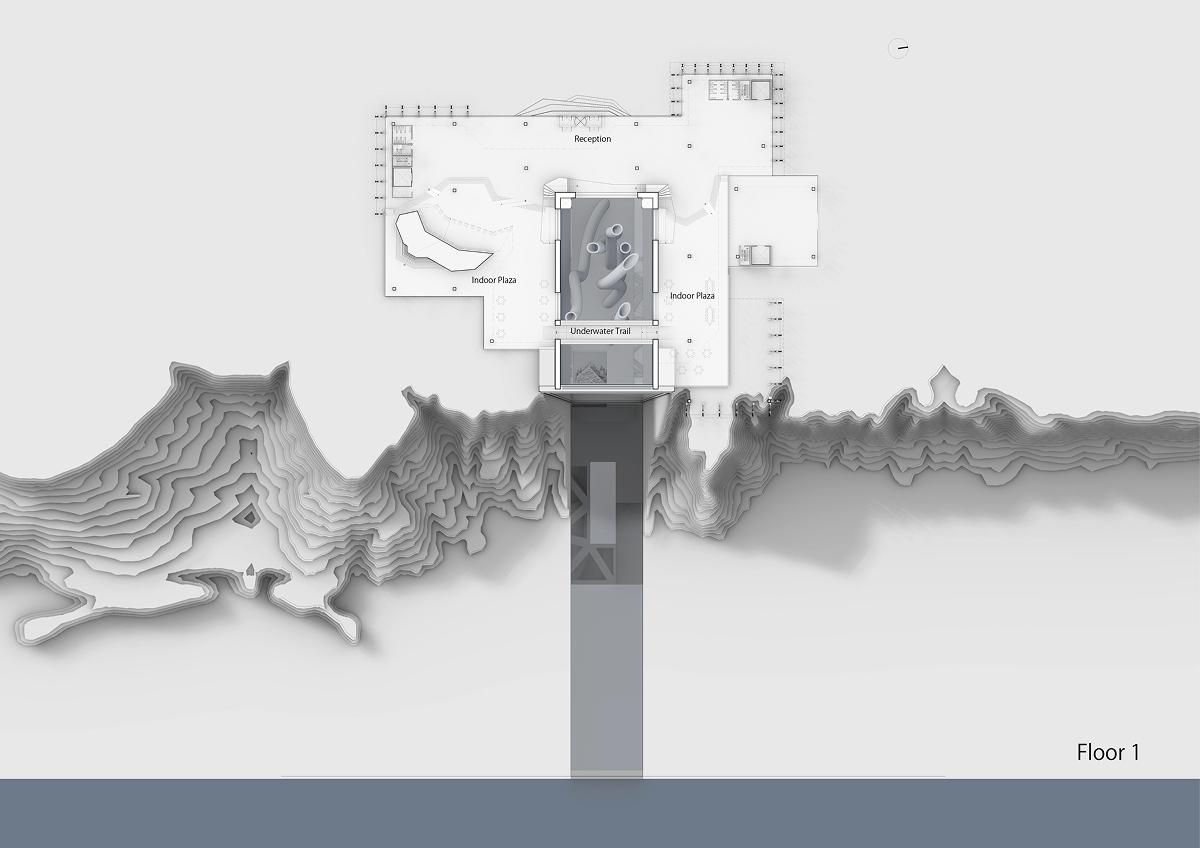
  1. 1 Main Entrance
  2. 2 Stairs (Floor 2)
  3. 3 Lounge A
  4. 4 Submerged Pathway 1
  5. 5 Lounge B
  6. 6 Elevator (Floor 3)
  1. 1 Submerged Pathway 2
  2. 2 Stairs (Floor 1)
  1. 1 Locker
  2. 2 Offices, Meeting Rooms
  3. 3 Storage Rooms
  4. 4 Zero-Level (Divers)
  5. 5 Shallow Pools
  1. 1 Diving Bell Transportation Tracks
  2. 2 Diving Bell Repair Stations
  3. 3 Diving Bell Deploy Deck
  1. 1 Lounge C
  2. 2 Stairs (Floor 5)
  3. 3 Breakout Auditorium
  4. 4 Lounge D
  5. 5 Immersive Digital Room (Floor 5)
  1. 1 Stairs (Floor 6)
  2. 2 Outdoor Terrace
  3. 3 Immersive Digital Room (Floor 6)
  1. 1 Gallery
  2. 2 Immersive Digital Room

Model

PHYSICAL MODEL

model background
model 1 model 2
model 3

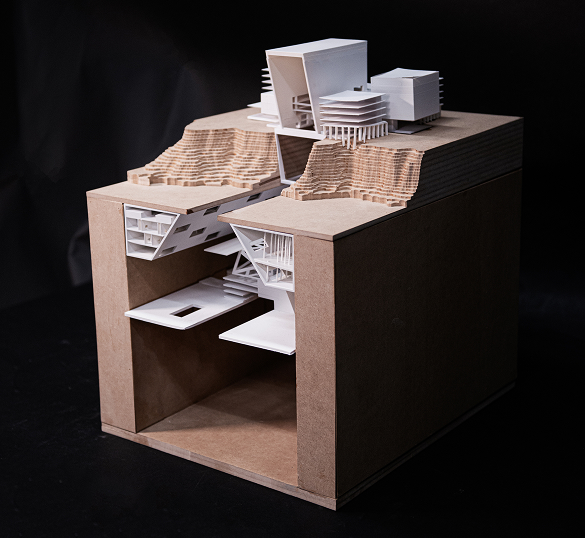
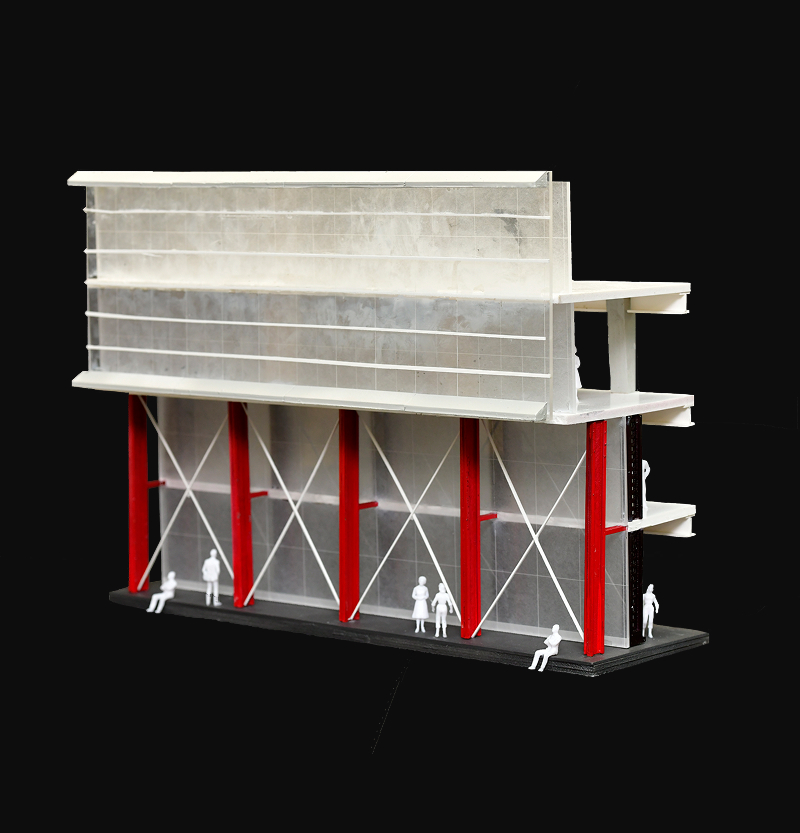
The façade employs a double-layer system that maximizes natural light penetration while improving indoor thermal regulation. Additionally, the columns extending through Floors 1 and 2 reinforce an industrial aesthetic—recalling the Centre Georges Pompidou—and convey the impression that the superstructure is anchored into the ground, maintaining visual and contextual coherence with the substructure below.

model 4

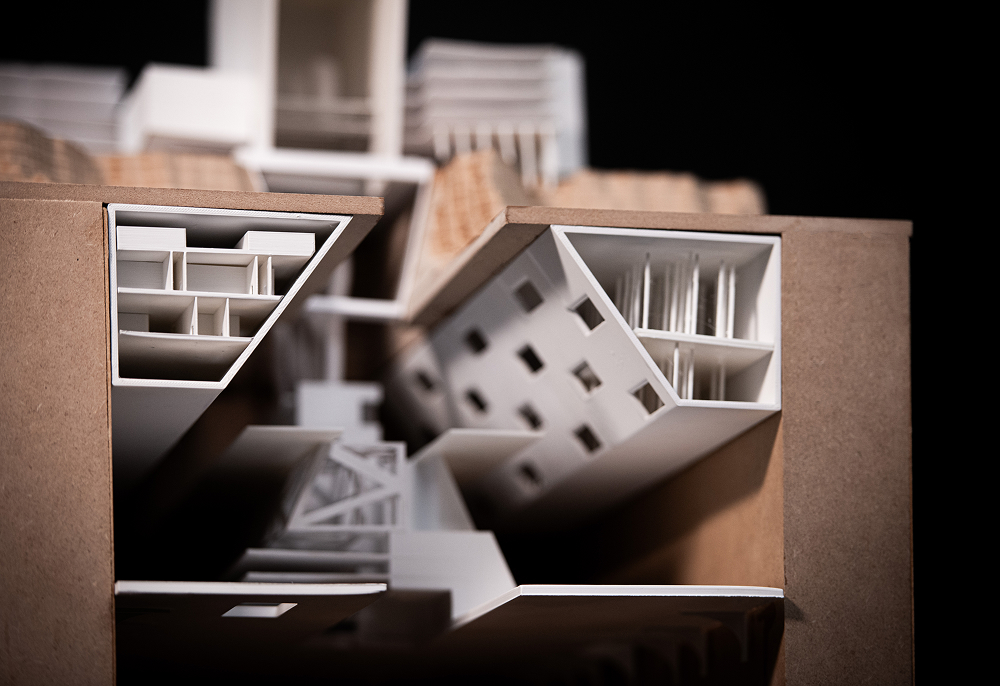
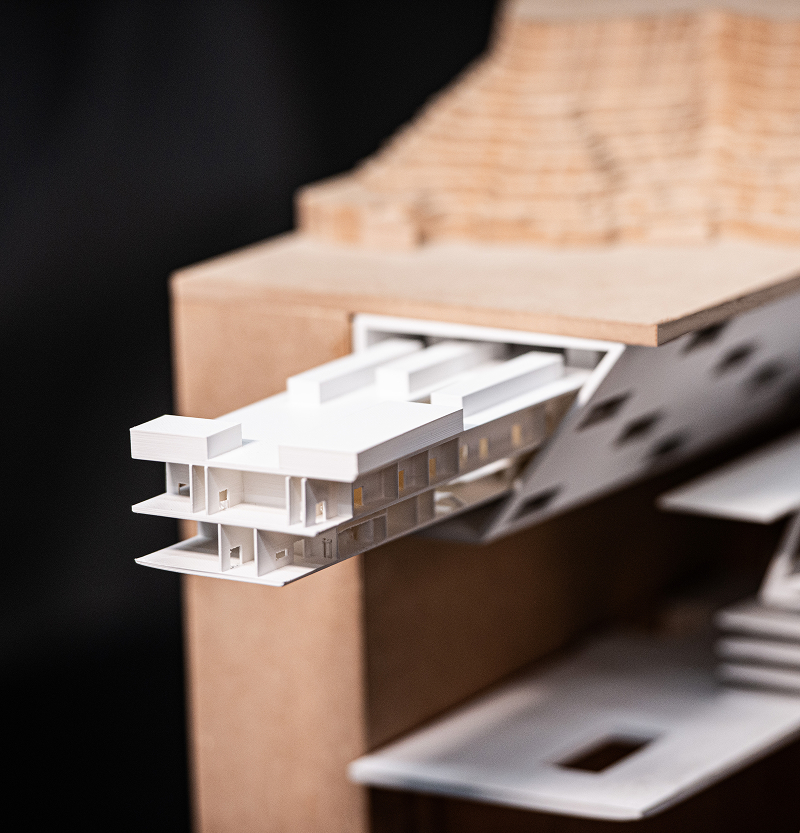
The wreck-diving chamber follows a modular spatial layout like real commercial vessels, allowing divers to train in realistic entry and extraction scenarios.

model 5

The cave-diving chamber emulates a dense stalactite reef by distributing posts of varying sizes and gauges. This unique spatial design provides a realistic training ground for navigating complex extrusions projecting from all directions.